Quick Answer
Hydrovac digging in Edmonton is widely regarded as the safest digging method for utility and construction projects because it replaces mechanical force with pressurized water and industrial vacuum suction. This process removes soil with precision, leaving buried gas, electric, and fibre optic lines untouched. The result is fewer utility strikes, reduced crew injuries, and minimal surface disruption compared to traditional backhoe or trencher operations.
Introduction
Striking a buried utility line during excavation remains one of the most costly and dangerous incidents on any construction site. A single accidental hit on a gas main or fibre optic conduit can trigger project shutdowns, regulatory penalties, and serious safety hazards for every crew member working nearby. Traditional mechanical methods, including backhoes and trenchers, carry this risk because they rely on blunt force to break ground.
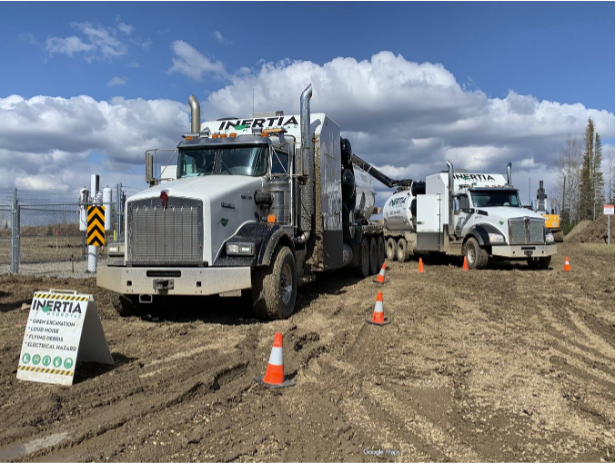
By combining pressurized water with powerful vacuum systems, hydrovac excavation allows operators to expose buried services without mechanical contact. Providers such as Inertia Hydrovac Edmonton have built their operations around this principle, deploying advanced equipment and trained crews to deliver safe, precise digging for utility, oil and gas, and municipal projects across the region.
How Hydrovac Protects Buried Infrastructure
Every underground construction project begins with one fundamental concern: what is already in the ground. Gas mains, electrical conduits, water lines, and telecommunications cables form a dense web beneath most urban and industrial sites.
Damaging any one of these systems during excavation can result in service outages, environmental contamination, or life-threatening injuries. Non-destructive digging methods were developed specifically to address this challenge, and hydrovac excavation has become the standard bearer for safe, controlled soil removal.
Why Pressurized Water Outperforms Mechanical Force
Traditional digging relies on steel teeth and hydraulic arms to rip through soil. The problem is that these tools cannot distinguish between earth and a buried fibre optic cable sitting 600 mm below grade. Vacuum excavation services in Edmonton use an entirely different principle.
A focused stream of pressurized water loosens the soil, and an industrial vacuum transfers the resulting slurry into a debris tank on the truck. Because the water jet can be calibrated to specific pressure settings, operators maintain precise control over how aggressively the soil is disturbed. The key safety advantages of this method include:
- Zero mechanical contact with buried utilities, which virtually eliminates the risk of accidental strikes
- Controlled excavation depth, allowing crews to expose infrastructure layer by layer rather than removing large volumes at once
- Reduced surface disruption, keeping surrounding pavement, landscaping, and adjacent structures intact
- Lower crew exposure to trench collapse hazards, since the vacuum removes material without requiring workers to stand inside deep cuts
Integrating Locate Requests and Damage Prevention
In practice, the safest excavation projects pair hydrovac technology with a thorough utility locate process before any digging begins. Provincial regulations across Canada require contractors to submit locate requests through services like Alberta One Call before breaking ground. Once the technicians mark the approximate position of buried lines, hydrovac crews can expose those lines with precision to confirm their exact depth and orientation.
This integration of locate data and non-destructive digging in Edmonton protocols is a detail that many competing methods simply cannot match. Mechanical excavators lack the fine control needed to work safely within the tolerance zones surrounding marked utilities, which is why hydrovac has become the preferred method for exposing critical infrastructure on congested sites across the region.
Comparing Digging Methods for Precision and Safety
Choosing the right excavation method is not simply a matter of preference. It is a technical decision that affects project timelines, liability exposure, and crew safety. Understanding how the three primary approaches stack up against each other helps project managers allocate resources with confidence.
Hydrovac vs Airvac vs Mechanical Excavation
Each method operates on a fundamentally different principle. Hydrovac uses pressurized water, airvac relies on compressed air, and mechanical excavation depends on steel attachments powered by hydraulic systems. The table below outlines how these methods compare across the factors that matter most on active job sites.
| Factor | Hydrovac | Airvac | Mechanical |
| Utility Strike Risk | Very low | Very low | High |
| Soil Type Versatility | All types, including frozen ground | Best in dry, loose soils | All types |
| Precision Near Buried Lines | Excellent | Excellent | Poor |
| Surface Disruption | Minimal | Minimal | Significant |
| Cold Weather Performance | Strong (heated water capable) | Limited in frozen conditions | Moderate |
| Speed on Large Open Sites | Moderate | Moderate | Fast |
| Spoil Management | Contained in the debris tank | Contained in the debris tank | Requires separate hauling |
When Each Method Makes Sense
Utility hydrovac excavation in Edmonton is the strongest choice for projects involving congested underground networks, frozen ground conditions, or work within tolerance zones of marked utilities.
Airvac performs well in scenarios where water introduction is a concern, such as near certain types of electrical installations or in contamination-sensitive soil. Mechanical digging still holds value on large, open parcels with confirmed clear zones where speed outweighs precision requirements.
Planning Safer Projects With the Right Excavation Approach
The safest digging outcomes are rarely the result of equipment alone. They come from thoughtful project planning, proper crew training, and a commitment to following established damage prevention protocols from the first day on site.
Building a Safety First Excavation Workflow
Before mobilizing any equipment, project managers should establish a structured sequence that minimizes risk at every stage. A reliable workflow typically follows these steps:
- Submit locate requests through provincial one-call services at least five business days before the planned start date.
- Review site drawings and cross-reference them with locate markings to identify potential conflicts or gaps in documentation.
- Assign potholing locations at every marked utility crossing to verify depth and position using a vacuum-based method.
- Brief the crew on site-specific hazards, including known utility types, soil conditions, and any access restrictions.
- Document all exposed utilities with photographs and GPS coordinates for the project record.
Aligning Method Selection With Project Requirements
Not every project demands the same level of excavation precision. Selecting the right method starts with an honest assessment of what lies beneath the surface and how much risk the project can tolerate. For sites with aging or poorly documented infrastructure, vacuum excavation services in Edmonton offer the control needed to work confidently without relying on outdated records. On confirmed clear parcels, conventional methods may still be appropriate.
The broader industry trend is moving steadily toward non-mechanical approaches, and for good reason. Reduced liability, fewer project delays, and stronger regulatory compliance make hydrovac services in Edmonton the most practical choice for teams that prioritize both safety and long-term operational efficiency.
Why Hydrovac Remains the Industry Standard
Protecting buried infrastructure, reducing crew exposure to hazards, and maintaining regulatory compliance are not optional considerations on modern job sites. They are baseline requirements. Vacuum-based methods deliver on all three fronts by replacing mechanical force with controlled, precision-driven soil removal.
As underground networks grow denser and provincial safety standards become more demanding, hydrovac excavation in Edmonton continues to set the benchmark for responsible, efficient project execution across utility and construction sectors.