 by
by 
Relocating to a new country is one of life’s most transformative experiences, offering unparalleled opportunities for personal growth and investment. For discerning international property buyers, real estate professionals, and global investors, a successful move hinges on meticulous planning and foresight. Navigating the complex tapestry of legal, financial, and logistical challenges requires a robust framework. This is where our ultimate relocating abroad checklist becomes your indispensable guide. Forget generic advice; this comprehensive blueprint is designed for the sophisticated mover, covering every critical stage from initial research to seamless integration.
We’ll delve into the nuances of securing visas, identifying prime real estate in established and emerging markets from Europe to South America, managing cross-border finances, and settling into your new life with confidence. The process involves multiple, overlapping steps, and having a structured approach prevents costly oversights. For instance, those moving to Europe must navigate a unique set of regulations; for a comprehensive understanding of the relocation process, including visas, housing, and banking, consult this complete insider guide to relocating to the Netherlands for a country-specific example.
Our guide breaks down this multifaceted journey into ten actionable stages. From obtaining the correct travel documents and securing accommodation to arranging employment and establishing a new social network, each point is designed to provide clarity and direction. By following this structured plan, you can transform the daunting task of moving overseas into a strategic, well-executed transition, ensuring your new chapter begins on the strongest possible footing. Let’s begin organising your journey.
1. Obtain Required Travel Documents and Visas
Securing the correct immigration documentation is the non-negotiable first step in any successful international move. This is the bedrock of your entire relocating abroad checklist; without the right passport, visa, or residence permit, all other plans are simply theoretical. This critical phase involves navigating the specific legal requirements of your destination country, which can be a complex and lengthy process demanding meticulous attention to detail.
Why This is Your Starting Point
Every country has a unique set of immigration laws. Failing to comply can result in denied entry, deportation, or future travel bans. Starting this process early, ideally 6-12 months before your planned move, accounts for potential delays, requests for additional information, and lengthy government processing times.
“Your visa is your legal key to a new life abroad. Treat the application process with the seriousness it deserves. It dictates your ability to work, reside, and integrate legally into your new home country.” – Financial Times
Actionable Steps for Securing Documentation
Begin by identifying the exact type of visa you need. This could be a work permit sponsored by an employer (like the UK’s Skilled Worker visa), a points-based skilled migration visa (such as Australia’s system), a digital nomad visa now popular in countries like Colombia, or an investment visa for property buyers.
- Research Thoroughly: Always use the official government immigration website of your destination country as your primary source of information. These sites provide the most accurate and up-to-date application forms, fee structures, and requirement lists.
- Organise Your Paperwork: Create a master file containing your passport, birth certificate, marriage certificate, educational qualifications, and professional credentials. Keep both physical and secure digital copies (e.g., on a cloud service and an encrypted USB drive).
- Track Everything: Log every interaction, submission date, and reference number. Regularly check the status of your application online and keep a record of all correspondence.
- Consider Professional Help: For complex cases, such as those involving business investment or nuanced family ties, hiring a reputable immigration lawyer or consultant can be invaluable. Navigating the legal landscape for certain destinations can be particularly intricate, as detailed in guides for countries like Switzerland. For more insight, you can learn about Swiss residency permits on Homesgofast.com.
2. Research Housing and Secure Accommodation
Finding a place to live is a cornerstone of your move, shaping your daily life, budget, and overall experience in a new country. This step in your relocating abroad checklist involves more than just finding a property; it’s about understanding the local real estate market, rental culture, and legal frameworks that govern tenancy. A well-researched housing plan prevents costly mistakes and ensures you find a home that genuinely fits your lifestyle and needs.
Why This is Your Starting Point
Securing accommodation early provides a physical address, which is often required for other critical tasks like opening a bank account, registering with local authorities, or setting up utilities. It transforms the abstract idea of moving into a concrete reality. Starting this search well in advance, even if just for temporary lodging, gives you the necessary foothold to explore neighbourhoods and make a long-term decision without pressure.
“Your choice of home dictates your community, your commute, and your comfort. Never underestimate the psychological benefit of having a secure and welcoming base from the moment you arrive. It’s the foundation upon which you build your new life.”
Actionable Steps for Securing Accommodation
Begin by defining your non-negotiables: budget (aim for 30-50% of your income), commute time, and lifestyle preferences (e.g., city centre vs. quiet suburb). Use this criteria to filter your search on established property portals relevant to your destination.
- Book Temporary Housing First: Secure a short-term rental on a platform like Airbnb or a serviced apartment for your first 2-4 weeks. This provides a stress-free base to conduct in-person viewings and get a real feel for different areas before signing a long-term lease.
- Use Reputable Portals: Leverage local and international property websites. For example, Rightmove is essential for the UK market, while HomesGoFast.com provides a curated selection of International Property For Sale for those looking to buy rather than rent.
- Verify Everything: Request virtual tours or have a trusted contact view the property for you if possible. Always verify the landlord’s or agency’s credentials and read reviews. Be wary of requests for large upfront payments before you have a signed, legally sound contract.
- Understand the Lease: Rental agreements vary significantly by country. Familiarise yourself with local tenancy laws, especially concerning security deposits, notice periods, and tenant rights. Do not sign anything you don’t fully understand.
3. Understand Healthcare and Insurance Requirements
Navigating the healthcare system of a new country is a fundamental pillar of a secure and well-planned international move. This step in your relocating abroad checklist goes beyond simply buying a travel policy; it involves understanding the legal, financial, and practical realities of accessing medical care in your new home. Whether your destination relies on a public, private, or hybrid model, securing appropriate health insurance is critical for your financial protection and personal wellbeing.
Why This is Your Starting Point
A medical emergency can be financially devastating without the right cover. Different countries have vastly different rules; some, like Germany, mandate enrolment in a statutory health insurance scheme, while others, like the UAE, require employers to provide private cover for their staff. Researching this early prevents coverage gaps and ensures you meet any legal residency requirements tied to health insurance.
“Underestimating healthcare planning is one of the most significant risks an expat can take. Your health is your most valuable asset, and ensuring it’s protected by a robust and compliant insurance plan is non-negotiable.”
Actionable Steps for Securing Healthcare Cover
Begin by determining your eligibility for the public healthcare system. If you are moving for work, your employer may guide you, but the ultimate responsibility is yours. For those retiring or self-employed, securing a comprehensive private plan before you even depart is often a visa requirement.
- Research National Systems: Investigate the specifics of your destination. For example, Spain offers excellent universal healthcare to legal residents, while Japan requires all residents to enrol in its National Health Insurance (NHI) or an employee-based scheme.
- Compare Private Expat Insurance: Obtain quotes from reputable international providers like Allianz Global or IMG Global. These plans are designed for expatriates, offering global coverage and direct payment networks, which can be a significant advantage over local plans.
- Organise Medical Records: Compile a complete medical history for yourself and your family, including vaccination records and a list of any current prescriptions with their generic names. Have key documents translated if necessary.
- Plan for Retirement Health: For those moving in their later years, healthcare is paramount. Investigating the quality and accessibility of medical services is a crucial factor, as detailed in guides on the best countries for retirement.
4. Financial Preparation and Banking Setup
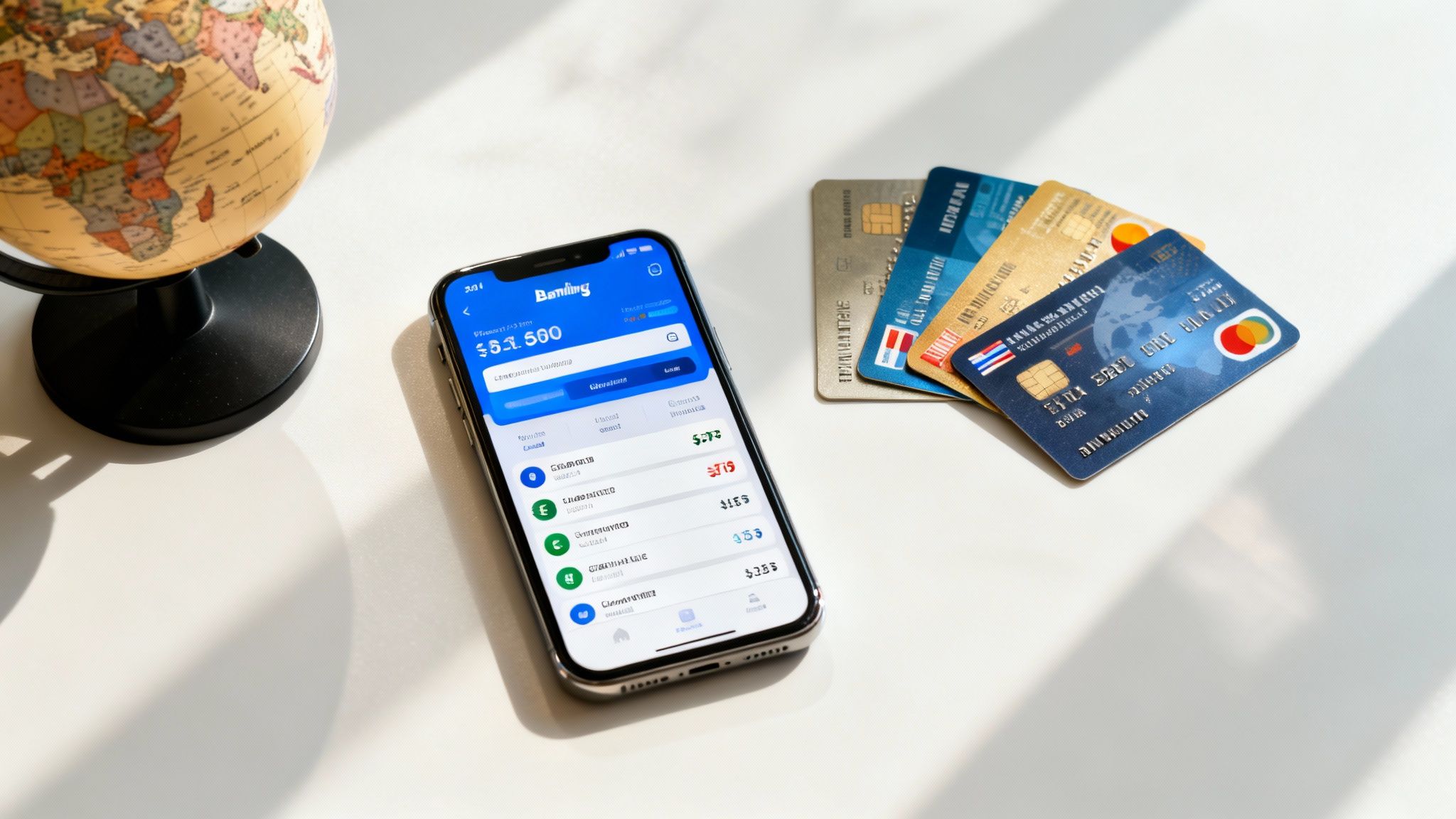
Establishing a robust financial infrastructure is a crucial pillar of your relocating abroad checklist. This step goes beyond simply moving money; it involves setting up a system to manage currency exchange, open local bank accounts, understand tax implications, and handle daily payments. Properly organising your finances ensures a seamless transition, allowing you to pay bills, receive a salary, and navigate your new country’s economy without costly delays or compliance issues.
Why This is Your Starting Point
Neglecting your financial setup can lead to significant problems, from an inability to rent a flat to facing high transfer fees and tax penalties. Many countries require a local bank account to secure a lease or employment contract. Proactively arranging your banking and understanding your tax obligations well in advance prevents financial instability and ensures you comply with local and international regulations from day one.
“Your financial agility is your lifeline when you move. Having access to funds in the right currency and through the right channels removes one of the biggest sources of stress for expats, allowing you to focus on settling in.”
Actionable Steps for Financial Setup
Start by researching both international banking solutions and the specific requirements of local banks in your destination. Some banks, like HSBC Expat, allow you to set up an account before you arrive, while fintech solutions provide immediate currency flexibility.
- Open a Multi-Currency Account: Before you move, open an account with a service like Wise or Revolut. This allows you to hold multiple currencies, convert money at competitive rates, and make payments as soon as you land.
- Research Local Banking: Identify the documents needed to open a bank account in your new country. This often includes your passport, visa, proof of address (which can be a challenge initially), and sometimes an employment letter. Major local banks like DBS in Singapore or Deutsche Bank in Germany offer tailored services for newcomers.
- Consult a Tax Advisor: Speak with a tax professional who is an expert in both your home country’s and destination’s tax laws. They can advise on residency status, tax liabilities, and any treaties that prevent double taxation, a vital step for any cross-border property investment.
- Inform Your Current Banks: Notify your home bank of your move to avoid having your accounts frozen due to suspicious overseas activity. It’s wise to keep a home country account active, at least initially, for existing payments and financial ties.
5. Arrange Employment and Work Authorisation
Finalising your employment situation is a pivotal component of your relocating abroad checklist, directly influencing your financial stability and legal right to work. For most people, this means either securing a job offer before moving or arranging an internal transfer with a current employer. This step is often intertwined with your visa application, as many work permits require proof of employment or sponsorship from a recognised company.
Why This is Your Financial and Legal Cornerstone
Without a legitimate source of income and the correct work authorisation, you cannot legally earn a living in your new country. This not only puts you in a precarious financial position but also violates immigration laws, which can lead to severe consequences. Clarifying your employment status early on provides the financial security and legal framework needed for a stable transition.
“Your employment contract and work permit are more than just paperwork; they are your licence to participate in the local economy and build a professional life. Ensure every detail is clear before you commit to the move.”
Actionable Steps for Securing Employment
Start by identifying whether your profession requires a specific type of work permit and if you need an employer to sponsor you. For instance, the UK’s Skilled Worker visa is tied to a specific employer, while some countries offer more flexible options for highly skilled individuals.
- Target Your Job Search: Use global platforms like LinkedIn and Indeed, but also research country-specific job boards, such as Seek in Australia. Tailor your CV and cover letter to local standards and highlight any international experience.
- Verify Employer Sponsorship: Before accepting an offer, confirm that the company is authorised and willing to sponsor a work visa. Ask direct questions about their experience with international hires and the support they provide during the application process.
- Scrutinise Your Contract: Carefully review your employment contract. Pay close attention to salary, benefits (including relocation allowances), working hours, notice periods, and any non-compete clauses. Research typical salary ranges for your role in that city to ensure you are being offered a competitive package.
- Check Professional Licensing: Determine if your professional qualifications or licences are recognised in the new country. Some professions may require you to pass local exams or undergo a re-certification process, which can take time and should be initiated well in advance.
6. Sort Out Shipping, Storage, and Household Goods
Deciding what to do with your physical possessions is a major logistical challenge in any international move. This part of your relocating abroad checklist involves a critical evaluation of what you own, arranging complex shipping or storage, and navigating the maze of customs regulations to ensure your goods arrive safely and legally. Managing this process efficiently can save you significant money, time, and stress.

Why This is Your Starting Point
International shipping is not just about boxing things up; it involves freight options (sea or air), insurance, customs duties, and potential quarantine inspections. Starting early allows you to declutter ruthlessly, obtain multiple quotes from reputable movers like Crown Relocations or Santa Fe Relocation Services, and understand the specific import laws of your destination. Leaving this to the last minute will result in inflated costs and rushed, stressful decisions.
“Every item you ship internationally carries a cost in both money and complexity. Be methodical. Your goal is to transport a home, not just move boxes, and that requires careful planning from start to finish.”
Actionable Steps for Securing Documentation
Begin by creating a detailed inventory of your belongings. This will be essential for getting accurate moving quotes, purchasing the right insurance, and completing customs declarations. Decide what to sell, donate, store, or ship.
- Declutter First: Before contacting any movers, declutter your home. The less you ship, the lower your costs will be. Consider whether the cost of shipping an item, like a bulky sofa, exceeds the cost of replacing it in your new country.
- Get Multiple Quotes: Contact at least three international moving companies for a comprehensive quote. Ensure their quotes are ‘door-to-door’ and include all potential charges, such as customs clearance fees, port fees, and delivery to your new address.
- Create a Detailed Inventory: Make a master list of everything you are shipping, including photos and estimated values for insurance purposes. This is non-negotiable for customs and for any potential insurance claims.
- Understand Customs and Restrictions: Research your destination country’s customs website. Many countries have strict rules on importing items like food, plants, alcohol, or even certain electronics. Failing to declare items properly can lead to fines or confiscation. For flexible timelines, you can learn more about how self-storage can help on Homesgofast.com.
7. Handle Administrative and Legal Requirements
Once you arrive, engaging with local bureaucracy is the first major step towards officially establishing your new life. Handling administrative and legal requirements means registering your presence with the correct authorities, obtaining necessary identification numbers, and understanding your rights and obligations as a resident. This part of your relocating abroad checklist is what transforms you from a visitor into an integrated member of the local community, unlocking access to essential services like healthcare, banking, and utilities.
Why This is Your Starting Point
Neglecting these formalities can lead to significant complications, including fines, difficulty opening a bank account, or challenges in securing a long-term rental contract. Many countries have strict deadlines for new residents to register, often within the first few weeks of arrival. Promptly completing these steps ensures you are compliant with local laws and can begin your new chapter on a solid legal footing.
“Bureaucracy is the price of admission to your new country. Tackle it head-on with an organised approach. Every form you fill and every queue you stand in builds the legal framework for your new life abroad.”
Actionable Steps for Securing Documentation
Your first priority should be to identify the primary registration office in your new city or town. This process varies widely; in Spain, it’s the Empadronamiento at the local town hall, while in Germany, it’s the Anmeldung at the citizen’s office (Bürgeramt).
- Prepare Your Documents: Before you go, gather your passport, visa, proof of address (like a rental contract), and an employment letter if applicable. Having notarised translations of key documents like your birth certificate can save significant time.
- Book Appointments Early: Many government offices require appointments booked online, and slots can fill up weeks in advance. Check the official local government website as soon as you have your arrival date confirmed.
- Register for a Tax ID: In most countries, you will need a unique tax identification number to work legally and manage your finances. This is often a separate step from residence registration, such as obtaining a BSN (citizen service number) in the Netherlands.
- Understand Your Rights: Research your rights as a tenant and an employee. Employment contracts, notice periods, and rental deposit regulations differ greatly between countries. Knowing the local laws protects you from potential exploitation.
8. Arrange Transportation and Get a Driver’s Licence
Establishing how you will navigate your new surroundings is a fundamental part of settling in and a key item on your relocating abroad checklist. Whether you rely on world-class public transport systems or decide to purchase a vehicle, sorting out your mobility is essential for commuting, socialising, and exploring. This phase involves everything from understanding local transit cards to navigating the legalities of driving licences and car ownership.
Why This is a Post-Arrival Priority
Once you arrive, your ability to move around freely directly impacts your quality of life and integration speed. In some cities, like Singapore or London, a car is an unnecessary expense thanks to excellent public transport. In others, particularly in sprawling suburban areas in the US or Australia, driving is almost essential. Researching this before you move allows you to budget accordingly and hit the ground running upon arrival.
“Mobility is freedom. Understanding your new city’s transport network, from its metro lines to its motorway rules, is the first step toward truly making it your own. Don’t underestimate how crucial this is for your daily independence.”
Actionable Steps for Setting Up Transportation
Your first few months are a great time to test out local transport before committing to buying a car. Begin by researching the most efficient and cost-effective options for your daily needs.
- Master Public Transport: Identify the primary modes of public transit (train, bus, tram) and purchase a reloadable travel card, like London’s Oyster card. Download official transit apps for real-time schedules and route planning.
- Address Driving Credentials Early: Check if your home country’s driving licence can be directly exchanged or if you need to take a local theory and practical test. Many countries only allow you to drive on a foreign licence for a limited period (e.g., 6-12 months).
- Obtain an International Driving Permit (IDP): Before you leave, secure an IDP from an organisation like the AA. While not a standalone licence, it provides a certified translation of your existing one and is required for driving or renting a car in many countries.
- Research Vehicle Ownership: If you plan to buy a car, investigate the costs beyond the purchase price, including registration, mandatory insurance, road tax, and fuel. Get several insurance quotes before finalising a vehicle purchase to avoid any financial surprises.
9. Establish Social Networks and Community Integration
Moving abroad involves more than just logistics; it’s about building a new life. Establishing social connections is a fundamental part of your relocating abroad checklist that directly impacts your happiness, mental well-being, and ability to feel at home in a new country. Proactively creating a support system helps combat feelings of isolation and provides practical assistance as you navigate unfamiliar surroundings.
Why This is Your Starting Point (For Integration)
While legal and financial tasks are urgent, building a community should begin the moment you arrive. A strong social network provides emotional support, local knowledge, and professional opportunities. Neglecting this can lead to loneliness and a prolonged, difficult adjustment period, regardless of how well other aspects of your move are organised.
“Your sense of belonging is built one connection at a time. Intentionally seeking out both local and expatriate communities is the fastest way to transform a foreign city into your new home.”
Actionable Steps for Building Your Network
Start by exploring digital platforms before branching out into in-person activities. The key is to be open, consistent, and willing to step outside your comfort zone to meet new people with shared interests.
- Leverage Online Platforms: Use websites like InterNations, which has chapters in over 550 cities, or Meetup.com to find groups based on hobbies, professional interests, or language exchange. City-specific expatriate groups on Facebook are also invaluable resources for advice and social events.
- Engage in Local Activities: Enrol in a local class that interests you, such as cooking, art, or a fitness programme. This is an excellent way to meet locals who share your passions. Volunteering for a local organisation or joining a sports club can also forge strong community bonds.
- Attend Professional and Cultural Events: Join professional associations in your industry to network and connect with peers. Keep an eye on local event listings through sites like Eventbrite and make an effort to attend cultural festivals, concerts, and markets to immerse yourself in the local scene.
- Be Proactive and Consistent: Aim to join two or three groups within your first month. Say yes to invitations and don’t be afraid to suggest a coffee or a meal with someone you connect with. Building friendships takes time and consistent effort.
10. Plan Communication and Set Up Utilities
Arranging essential services like internet, mobile phones, electricity, and water is a fundamental step in turning a new house into a functional home. This part of your relocating abroad checklist bridges the gap between arriving and truly settling in. Properly organising these utilities ahead of time minimises stress and ensures you are connected and comfortable from day one, avoiding the friction of a disconnected start in an unfamiliar environment.
Why This is a Pre-Arrival Priority
Imagine arriving at your new property after a long journey only to find no electricity, running water, or internet access. Planning this in advance, where possible, is crucial for a smooth transition. Different countries have varied processes, and providers may require local bank accounts or proof of residence, creating a logistical puzzle that is best solved with foresight. Starting this process before you even land can prevent significant delays and discomfort.
“A reliable internet connection and a local phone number are your lifelines in a new country. They facilitate everything from navigating your new city to finalising administrative tasks. Do not underestimate their immediate importance.”
Actionable Steps for Setting Up Services
Begin by researching utility providers in your destination city or region. Landlords or real estate agents can often provide a list of current or recommended suppliers, giving you a valuable starting point.
- Research and Compare: Investigate local providers for mobile, broadband, and utilities. In Europe, you might encounter names like Vodafone or Orange, while in Singapore, it could be Singtel or M1. Compare packages based on cost, speed, and contract length.
- Schedule in Advance: Contact utility companies before your move-in date to schedule installations. Some services can be activated remotely, while others may require a technician to visit. If there are delays, have a portable WiFi hotspot ready as a temporary solution.
- Organise Local Communication: Purchase a local SIM card immediately upon arrival. This provides you with a local number for administrative forms and helps you avoid expensive roaming charges. To ensure you stay connected with family back home without high costs, explore various cheap ways to make international calls as part of your communication strategy.
- Document Everything: On moving day, take photos of the electric, gas, and water meter readings. Confirm these with your landlord or the utility company to ensure you are only billed for your own usage. Set up online accounts for easy bill management and payment.
10-Point International Relocation Checklist Comparison
| Item | Implementation complexity | Resource requirements | Expected outcomes | Ideal use cases | Key advantages |
|---|---|---|---|---|---|
| Obtain Required Travel Documents and Visas | High — complex procedures, changing rules | Passport, application fees, supporting docs, possible lawyer, time | Legal entry/residence and work authorization | Long‑term relocation, employment, permanent residency | Legal status, access to services, travel freedom |
| Research Housing and Secure Accommodation | Medium–High — market research and verification | Budget for rent/deposit, agents, online platforms, virtual tours | Secured housing aligned with budget and location | Families, long stays, near workplace | Stability, location choice, negotiated terms |
| Understand Healthcare and Insurance Requirements | Medium — varies by country and system | Insurance premiums, medical records, enrollment forms | Medical coverage and financial protection for care | Families, chronic conditions, long‑term residents | Access to care, cost protection, preventive services |
| Financial Preparation and Banking Setup | Medium — documentation and tax considerations | ID, proof of address, tax advice, fintech tools | Functional banking, compliant transfers, budget control | Salaried migrants, freelancers, frequent international transfers | Easier payments, currency management, credit building |
| Arrange Employment and Work Authorization | High — employer sponsorship and licensing | Employer support, professional credentials, application fees | Legal work status, salary, benefits | Professionals relocating for jobs or transfers | Career opportunities, employer benefits, legal protection |
| Sort Out Shipping, Storage, and Household Goods | Medium — logistics and customs complexity | Moving company, insurance, packing materials, storage | Safe transport and storage of belongings | Movers with many possessions, families | Protect possessions, convenience, flexible delivery |
| Handle Administrative and Legal Requirements | Medium–High — bureaucratic steps and translation | IDs, translated/notarized docs, appointments, fees | Registered residency, tax IDs, access to government services | Residents needing local services, long‑term stays | Legal compliance, access to benefits, contractual ability |
| Arrange Transportation and Get a Driver’s License | Low–Medium — depends on license conversion | ID, international driving permit, vehicle/insurance, transit cards | Reliable local mobility and legal driving status | Commuters, suburban residents, those needing cars | Convenience, independence, broader access |
| Establish Social Networks and Community Integration | Low–Medium — ongoing social effort | Time, event fees, memberships, language classes | Social support, local knowledge, improved wellbeing | Newcomers seeking community, families, professionals | Faster integration, reduced isolation, practical local help |
| Plan Communication and Set Up Utilities | Low–Medium — provider setup and billing | Local SIM, broadband contract, deposits, payment method | Connected home and reliable services from move‑in | Immediate move‑ins, remote workers, families | Essential connectivity, convenience, online access |
Finalising Your Move: From Checklist to New Home
Completing an international move is a monumental achievement, a culmination of months, or even years, of dedicated planning. By systematically working through this comprehensive relocating abroad checklist, you have transformed a daunting aspiration into a series of manageable, actionable tasks. You’ve laid the essential groundwork for a successful and rewarding life in your new country, turning the dream of living overseas into a tangible reality.
From navigating the complex bureaucracies of visas and work permits to the intensely personal task of building a new social network, each item on this list is a crucial component of a smooth transition. The process is far more than simply finding a property; it involves meticulous financial preparation, understanding new healthcare systems, and handling the intricate logistics of shipping your life across borders. Each ticked box represents a step closer to your new beginning, a testament to your organisation and commitment.
Key Takeaways for a Seamless Transition
The true value of a relocating abroad checklist lies in its ability to provide structure and clarity amidst the chaos of a global move. The most critical takeaways from this guide are not just the individual tasks, but the overarching principles they represent:
- Proactive Planning is Paramount: Success hinges on starting early. Securing visas, arranging finances, and researching accommodation are not last-minute tasks. Give yourself ample time to address each point without rushing.
- Documentation is Everything: From passports and birth certificates to employment contracts and bank statements, having your paperwork meticulously organised is non-negotiable. Digital and physical copies are your best defence against unexpected administrative hurdles.
- Financial Foresight is Freedom: A realistic budget that accounts for one-time moving costs and a higher cost of living during the initial settling-in period provides a crucial safety net. It allows you to focus on adapting to your new environment rather than worrying about finances.
- Integration is an Active Process: Finding a community doesn’t happen by chance. It requires a conscious effort to join local groups, learn the language, and step outside your comfort zone. This is the step that transforms a house into a home.
Nick Marr, founder of Homesgofast.com, notes, “The key to a successful international relocation isn’t just finding the right property; it’s about orchestrating all the moving parts with precision. A detailed checklist removes the guesswork and empowers buyers to make confident, informed decisions.”
Your Next Steps on the Path Abroad
As you finalise your preparations, remember that this checklist is a living document. It should be adapted to your unique circumstances, your specific destination, and the personal goals you have for this new chapter. What works for a retiree moving to Portugal may differ from what a young professional needs for a transfer to Singapore.
As you embark on this exciting new chapter, let your meticulous preparation be the foundation upon which you build your global future. The confidence gained from a well-executed plan will be invaluable as you navigate the initial challenges and triumphs of life in a new country. This journey, while demanding, is one of immense personal and professional growth. You are not just changing your address; you are expanding your worldview, embracing new cultures, and creating a life rich with diverse experiences. Your new adventure awaits, built on the solid bedrock of your careful planning.
Ready to find the property that makes your move abroad a reality? The perfect home is the centrepiece of your new life. Explore thousands of listings in your dream destination and find International Property For Sale on HomesGoFast.com. Let our global network connect you with your future. Start your international property search today.
Relocating Abroad Checklist FAQs
Q1: How far in advance should I start planning my move abroad?
A1: For a major international relocation, you should begin planning at least 6 to 12 months in advance. This timeframe allows for visa applications, which can be lengthy, as well as thorough research into housing, schools, and financial arrangements without feeling rushed.
Q2: What is the most important item on a relocating abroad checklist?
A2: Securing the correct visa and legal documentation is undoubtedly the most critical item. Without the legal right to reside and work in your destination country, all other plans, such as housing and employment, cannot proceed.
Q3: Is it better to ship my furniture or buy new items abroad?
A3: This depends on several factors: the cost of shipping versus replacement, the sentimental value of your items, and the electrical compatibility (for appliances). Get multiple shipping quotes and compare them to the cost of furnishing a new home in your destination. Often, a hybrid approach of shipping key items and buying larger ones locally is most effective.
Q4: How can I manage my finances when I first arrive in a new country?
A4: Before you leave, open a multi-currency account with a fintech provider like Wise or Revolut. This allows you to hold and spend money in the local currency immediately. It serves as a vital bridge until you can open a local bank account, which often requires proof of address.
Q5: What’s the best way to find accommodation before I arrive?
A5: The safest strategy is to book temporary accommodation (like a serviced apartment or a short-term rental) for your first few weeks. This gives you a base to explore neighbourhoods and view properties in person before committing to a long-term lease or purchase, reducing the risk of scams or choosing the wrong location.
About Homesgofast.com
HomesGoFast.com is a leading international property website, established in 2002, helping homeowners, real estate agents, and developers reach overseas buyers. Featuring thousands of listings from over 50 countries, the platform connects global property seekers with homes, apartments, villas, and investment opportunities worldwide.
Looking for expert mortgage guidance? Get international property mortgage advice here:
👉 https://homesgofast.com/mortgages-overseas/
Explore more overseas homes for sale at our global partner site:
👉 https://homesgofast.com/overseas-property/
Looking to sell real estate to foreign buyers? Go to
https://homesgofast.com/sell-overseas-property/