Have you seen all the hype about super cheap property in Italy? I create a update guide on low cost Italian real estate .
If you’ve been dreaming of an Italian home—without a Tuscany-villa budget—good news: sub-€100K properties are still common in many regions, especially in smaller towns and parts of Southern Italy. The even bigger headline is the “€1 homes” trend, where villages sell abandoned properties for a symbolic price if you commit to renovation.
Start here to browse live listings and explore regions:
-
Italy property listings on HomesGoFast: https://homesgofast.com/country/italy/
-
Italy country guides (buying, living, rules): https://homesgofast.com/glossary-cat/country-guides/italy/
Table of contents
-
Italy real estate trends in 2025: what’s happening and why it matters
-
Where to find property in Italy under €100,000
-
The real cost of buying (fees, taxes, renovation budgets)
-
€1 homes in Italy explained: rules, deposits, timelines, and risks
-
A practical step-by-step buying checklist
-
FAQs (with SEO-friendly answers)
-
Downloadable reports (PDFs) to cite in your research
Italy real estate trends in 2025: what buyers should know
Did you know Italy isn’t one market?—it’s dozens. In 2025, the biggest story is regional divergence: major cities and lifestyle hotspots behave very differently from rural villages.
1) National prices have been steady, but regions vary sharply
Idealista’s 2025 guide cites an average asking price of €1,828/m² (October 2025) and notes that the most affordable regions (often Calabria, Molise, plus parts of Sicily and Puglia) can come in below €1,000/m². Idealista
That gap is exactly why €100K still goes far if you’re flexible on location.
2) Seller expectations improved and “time on market” stayed low
The Bank of Italy’s Italian Housing Market Survey (Q3 2025) reports strengthened assessments of selling prices and notes discounts on asking prices decreased, with time on market remaining historically low. Bank of Italy+1
Buyer takeaway: in stronger micro-markets, good cheap homes can move fast—be ready with a plan and paperwork.
3) The “affordable Italy” story is powered by demographics
Many inland towns face depopulation and inherited vacant homes. That creates:
-
more inventory at low prices
-
more willingness to negotiate
-
initiatives like €1 homes to bring buildings back into use
Where to find property in Italy under €100,000
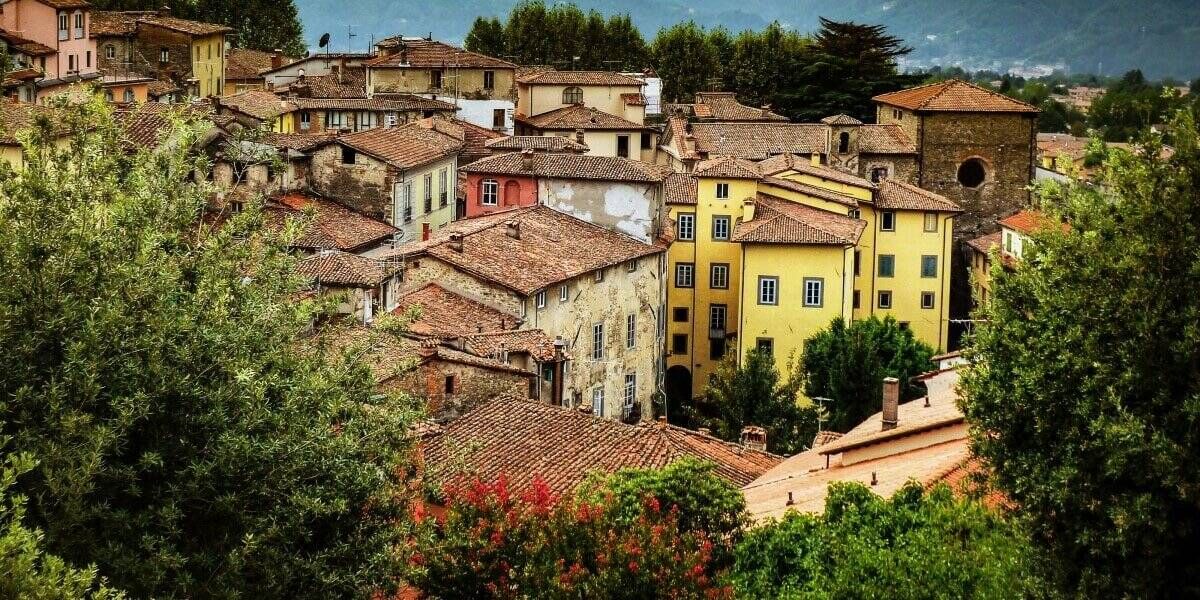
The easiest wins are usually small towns, inland villages, and lesser-known provinces rather than postcard centres.
Typical “under €100K” property types include:
-
village apartments
-
older townhouses needing modernisation
-
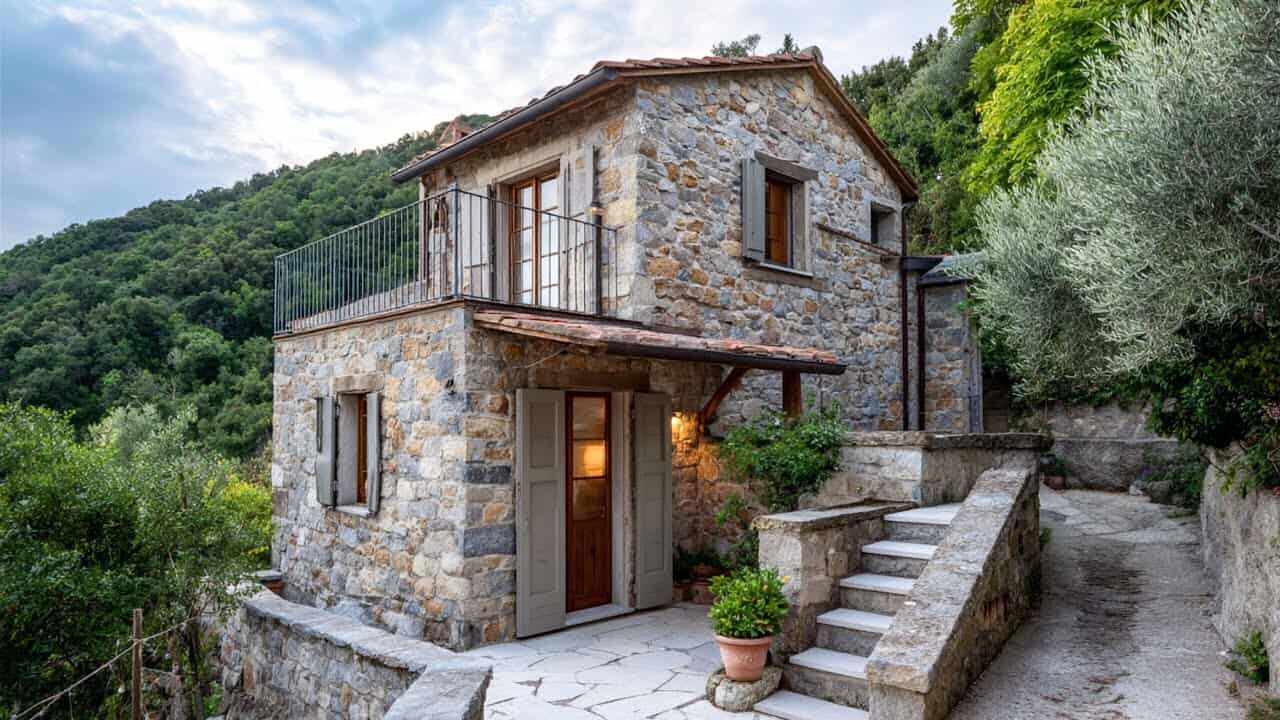
small countryside homes (sometimes with land, depending on region)
-
“part-renovated” projects where structural work is done but finishes aren’t
Best way to shop efficiently:
-
Pick 2–3 regions (don’t search the whole country at once)
-
Decide “live-in ready” vs renovation
-
Set a total budget (purchase + fees + works)
Browse and shortlist from here:
-
HomesGoFast Italy listings: https://homesgofast.com/country/italy/
What it really costs to buy (beyond the asking price)
A €75,000 bargain can stop being a bargain if you ignore transaction and renovation costs.
Plan for:
-
Notary and legal work (Italy’s notary plays a central role in the purchase process)
-
Purchase taxes/fees (vary by whether it’s a primary residence, and other factors)
-
Survey/technical checks (especially for older buildings)
-
Utilities reconnection (often overlooked on vacant homes)
-
Renovation contingency (older stone homes love surprises)
If you want a hard, credible “market context” link to strengthen the authority of your post, add PDFs like these in a “Resources” section:
-
Cushman & Wakefield – Italy Market Overview H1 2025 (PDF): assets.cushmanwakefield.com
-
CBRE – European Real Estate Market Outlook 2025 (PDF): mediaassets.cbre.com
-
Bank of Italy – survey questionnaire PDF (technical reference): Bank of Italy
These won’t tell you the closing costs for a specific commune—but they do signal to Google (and readers) that your article is grounded in serious sources.
€1 homes in Italy: the truth (and how they work)
Yes, €1 homes are real—but the €1 is the headline, not the total cost.
What a €1 home actually is
It’s typically an abandoned property in a depopulating town. Municipalities run programmes to transfer ownership if you renovate.
Idealista summarises the key point: it’s a symbolic price with an obligation to renovate, often requiring direct contact with the local council.
Which? also notes these schemes are run by local councils/communities and digs into what they really cost buyers. Which?
Common requirements (varies by town)
Most schemes involve:
-
an application process
-
a renovation plan
-
a completion deadline
-
sometimes a deposit/guarantee (returned when conditions are met)
Example (illustrative): some Sicily schemes commonly require a deposit and set deadlines (e.g., plan submission and completion timeframe). Renovita+1
The biggest risks buyers underestimate
-
Renovation costs can exceed the price of a normal €50K–€100K home
-
Bureaucracy and timelines (permits, approved plans, contractor schedules)
-
Location reality (services, transport, winter life, community)
-
Resale and rental rules (depends on town and region)
If you’re writing for maximum usefulness: position €1 homes as a niche route best for buyers who (a) want a project and (b) can spend time on the ground.
Step-by-step: how to buy a cheap home in Italy (practical checklist)
Step 1: Define your “all-in” budget
Decide your true ceiling: purchase + fees + works + buffer.
Step 2: Shortlist towns, not just regions
Cheap properties vary massively even within one province. Build a shortlist of:
-
3–6 towns you’d actually live in (or rent out effectively)
-
travel time to an airport/rail link
-
year-round services (shops, healthcare, trades)
Step 3: View with a renovation mindset
For older homes, ask:
-
roof condition
-
damp signs
-
structural movement/cracks
-
heating type and insulation
-
window quality
-
what’s legally permitted to change
Step 4: Assemble the right local team
At minimum:
-
agent (optional but helpful)
-
geometra/architect (especially for renovations)
-
notary
-
translator (if needed)
Step 5: Don’t buy on vibes—buy on documents
For any bargain property, make sure you understand:
-
title and ownership
-
cadastral consistency
-
planning permissions (especially for €1 homes)
-
estimated renovation scope
For more “how Italy works” guidance, keep an internal CTA:
-
Italy country guides on HomesGoFast: https://homesgofast.com/glossary-cat/country-guides/italy/
FAQs
Can foreigners buy property in Italy?
Yes—Italy generally allows foreign buyers, though specifics can depend on reciprocity and personal circumstances.
Are €1 homes in Italy really €1?
The purchase price can be symbolic, but you’ll typically pay fees, renovations, and may need to meet deadlines and requirements.
Where are the cheapest regions in Italy right now?
Idealista cites Calabria, Molise, and parts of Sicily and Puglia as among the most affordable areas (often under €1,000/m² in places).
Is Italy’s market rising or falling in 2025?
Indicators suggest improving sentiment and positive momentum in 2025, with the Bank of Italy survey pointing to strengthened price assessments and low time-on-market. Bank of Italy+1