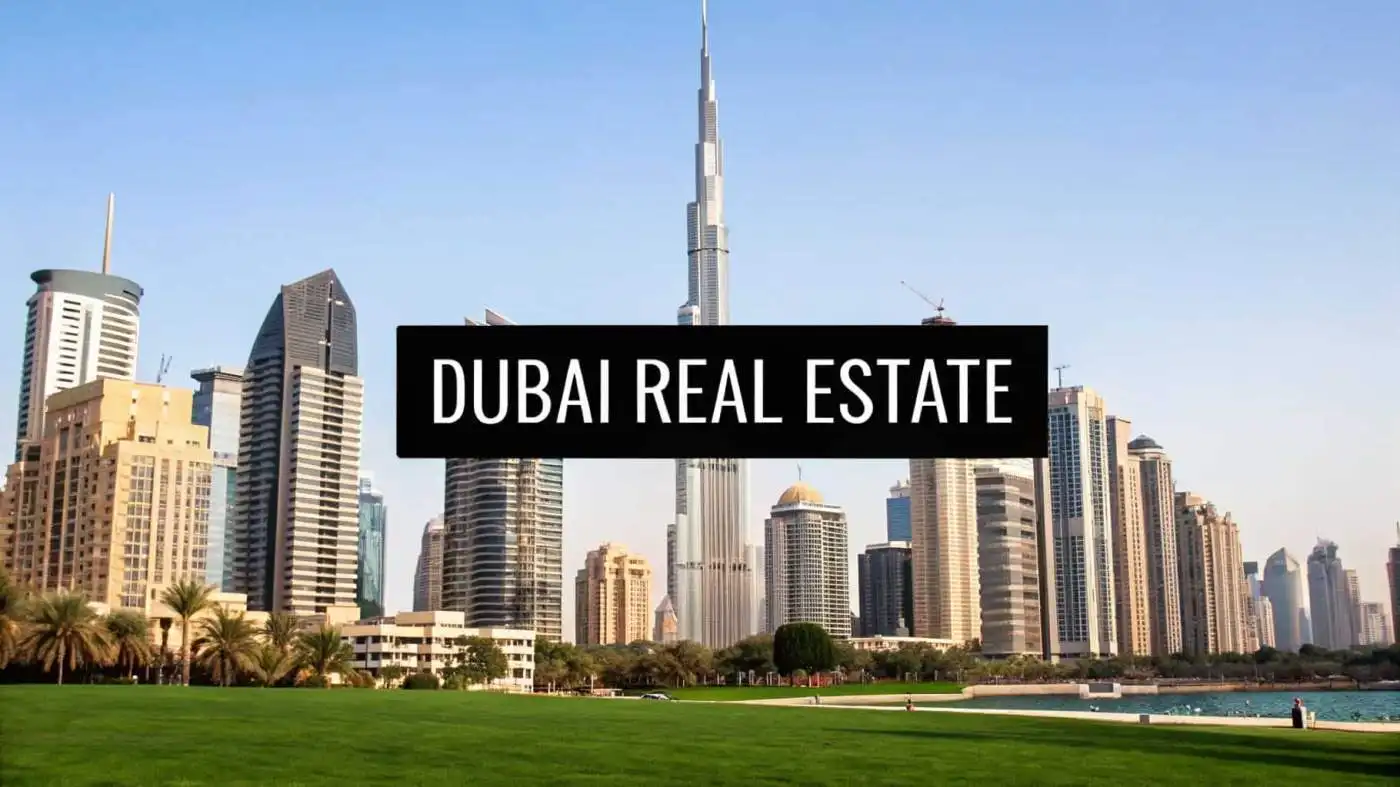
Picture a real estate market practically built on ambition—a place where tax-friendly rules and incredible infrastructure have created a safe harbour for global investors. That’s the Dubai real estate scene in a nutshell. It’s a unique ecosystem that offers a blend of stability and high-yield potential that many traditional Western markets simply can’t match for international buyers.
Why Dubai Is a Global Magnet for Property Investors

The Dubai real estate landscape didn’t just stumble into becoming a primary destination for global capital; it was engineered this way. This transformation is the direct result of sharp government strategy, a solid regulatory environment, and a relentless drive to be one of the best places in the world to live and do business. It’s no surprise that everyone from investors looking at Homes for Sale in the USA to savvy buyers across Europe are now turning their attention here.
A Foundation of Stability and Vision
Let’s face it, investors want to put their money where it’s safe. The United Arab Emirates (UAE) offers a level of economic and political stability that’s a rare find, especially in such a dynamic part of the world. This is all backed by a clear, long-term vision, seen in plans like the Dubai 2040 Urban Master Plan, which is all about improving the city for a population that just keeps growing.
This kind of forward-thinking gives international buyers the confidence that they aren’t just buying an apartment or a villa; they’re buying into a city with a real, sustainable future. The legal side of things only strengthens that feeling.
The creation of the Real Estate Regulatory Agency (RERA) and the Dubai Land Department (DLD) has built a transparent, secure system for property deals. These organisations make sure every developer, agent, and contract meets strict standards, which protects buyers at every step of the journey.
Unpacking the Core Attractions
For a foreign investor, the appeal of Dubai real estate goes way beyond the jaw-dropping skyline. The reasons a diverse crowd of international buyers are flocking here are pretty straightforward and very compelling:
- Tax-Efficient Returns: This is a major attraction. Dubai has a zero income tax policy on rental income and no capital gains tax. That means investors keep 100% of their profits, which is a world away from the high-tax situations in many Western countries.
- High Rental Yields: The market consistently serves up some of the best rental returns you’ll find anywhere. Gross rental yields often sit between 6% to 10%, easily beating cities like London or New York.
- Residency Opportunities: The UAE Golden Visa programme connects property investment directly with long-term residency. An investment of AED 2 million (around $545,000) can get you and your family a 10-year renewable visa.
This guide gives you the essential overview, but for a much deeper look into the nuts and bolts, it’s worth learning how to invest in Dubai real estate with expert advice on everything from financing to legal steps. Investing here is more than just buying property; it’s claiming a piece of one of the world’s most exciting economic hubs.
The Unmatched Financial Perks for Overseas Investors
So, what makes Dubai real estate such a powerful draw for international investors? It’s more than just the incredible architecture and luxury lifestyle. The city has rolled out a suite of financial incentives that are genuinely hard to find elsewhere, especially in most Western markets. These aren’t just minor benefits; they fundamentally boost an investor’s bottom line.
The headline act is Dubai’s famous tax-friendly environment. For property investors, this means real, substantial savings. The city charges zero income tax on your rental earnings and zero capital gains tax when you sell. This is a world away from high-tax countries where a hefty chunk of your profit goes straight to the government.
Tax Advantages in Practice
To really understand what this means, let’s look at investors from the United Kingdom. We’re seeing a growing number of UK buyers diversifying into Dubai real estate to sidestep punishing domestic property taxes. Back in the UK, rental income can be taxed at rates between 22% and 47%.
In Dubai? That tax rate is zero. You keep 100% of the profits. This single advantage is fuelling a significant flow of UK capital into the Dubai market, especially as growth back home slows. You can read more on this trend and the potential of diversifying a UK property portfolio into Dubai from 10acre.co.uk.
This tax efficiency is backed up by strong rental returns. Gross rental yields in Dubai typically average between 6-9%, which comfortably beats the UK’s regional averages of 5-7%. In sought-after areas like Dubai Marina, where short-term lets are in high demand, those yields can climb even higher.
The Strategic Value of the Golden Visa
Beyond the pure financials, Dubai offers a game-changing lifestyle perk with its Golden Visa programme. This isn’t just a visa; it turns a property purchase into a clear path for long-term residency. For international buyers looking for a secure second home or a new base of operations, this is a massive draw.
The rules are pretty straightforward:
- Minimum Investment: You need to invest at least AED 2 million (around $545,000 USD) in property.
- Property Type: This can be a single property or a portfolio. It includes both ready-to-move-in and off-plan projects from approved developers.
- Long-Term Residency: The visa is granted for 10 years and is renewable. It also extends to your spouse and children.
This programme completely changes the investment equation. It stops being just about financial ROI and becomes about securing a stable, long-term future in a world-class city. As Nick Marr, founder of HomesGoFast.com, points out, “International buyers are increasingly focused on lifestyle-led markets with long-term value fundamentals, and Dubai’s combination of high yields and exceptional quality of life is unmatched.”
A Stable and High-Quality Environment
Underpinning the appeal of Dubai real estate is the UAE’s rock-solid economic stability and its commitment to offering an incredible quality of life. The government’s pro-business policies, a strong legal system that protects property rights, and continuous investment in top-tier infrastructure create a secure environment for your money.
Add to that an exceptionally low crime rate and a vibrant, multicultural society, and you can see why an investment in Dubai isn’t just financially smart—it’s a ticket to an extraordinary lifestyle. For a direct comparison, check out our guide on the cost of living in Dubai vs the US.
Ultimately, your investment just works harder in Dubai because it delivers on every front: financial growth, security, and quality of life.
Exploring Dubai’s Prime Investment Locations
To really succeed in Dubai real estate, you have to get to grips with its neighbourhoods. Each district is its own little world, with a unique feel, different types of properties, and varying returns. Think of it as matching your capital to the postcode that fits your goals, whether that’s a high-energy city lifestyle or a quiet family community.
This section is your map to the city’s most rewarding areas. We’ll break down what makes each tick, because Dubai’s property market is anything but a one-size-fits-all game.
The infographic below neatly sums up the big financial wins that keep pulling global investors into the Dubai real estate market.

As you can see, it’s a powerful mix: 0% tax on your rental income, healthy rental yields averaging between 6-9%, and a clear route to long-term residency with the Golden Visa programme.
Iconic Hubs For High-End Urban Living
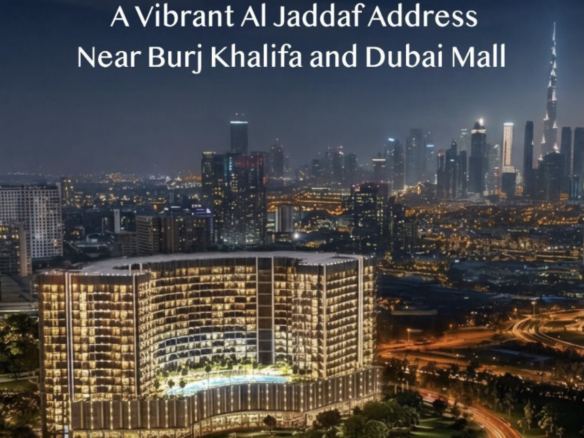
If you’re after that classic, high-octane Dubai lifestyle, two areas immediately spring to mind: Downtown Dubai and Dubai Marina. This is where you find the postcard-perfect, luxury high-rise living that the city is famous for.
- Downtown Dubai: Often called ‘The Centre of Now’, this is ground zero for landmarks like the Burj Khalifa and The Dubai Mall. It’s all about premium apartments and slick penthouses, making it a huge draw for young professionals and high-net-worth buyers. Rental yields are strong, usually around 5-7%, and its world-famous status gives it great potential for capital growth.
- Dubai Marina: A stunning man-made marina that has become a firm favourite with Western expats. The appeal is the vibrant, social lifestyle, with a buzzing promenade, endless restaurants, and incredible waterfront apartments. Yields here often hit 6-8%, especially for units with an uninterrupted view of the marina.
These are the blue-chip areas of Dubai. They offer a certain security and consistent demand, making them a relatively safe bet if you’re focused on long-term value and a prestigious address.
Exclusive Enclaves For Villa and Family Life
Step away from the skyscraper-filled skyline, and you’ll find master-planned communities designed for families and privacy. These neighbourhoods are all about green spaces, top-tier facilities, and a real sense of community.
Palm Jumeirah is a global icon for a reason. This man-made island is home to some of the most exclusive villas and apartments on the planet. Its draw is the private, beachfront lifestyle, which attracts a global elite. Entry prices are steep, but the demand from top-tier tenants keeps the returns stable.
For a more modern take on family life, there’s Dubai Hills Estate. It’s often called a “city within a city” because it has everything: a championship golf course, its own mall, a hospital, and schools. With a mix of apartments, townhouses, and huge villas, it’s a magnet for families. For an investor, the strong community and built-in amenities mean long-term rental stability.
Emerging Districts With High Growth Potential
For investors chasing higher yields and the chance for serious capital growth, the smart money is often on the up-and-coming neighbourhoods. You get in at a more accessible price point without sacrificing quality.
Jumeirah Village Circle (JVC) has absolutely exploded in popularity, especially with first-time investors and young families. It offers a great mix of apartments, townhouses, and villas at really competitive prices, and it’s not uncommon to see rental yields hit 8-9%. With its great location and ever-improving infrastructure, it’s a real hotspot for future growth.
Another area to watch is Dubai South, the massive city being built around Al Maktoum International Airport. As the home of Expo 2020, it saw huge investment and is set for major expansion, offering some attractive entry prices for those with a long-term view. And for anyone looking for affordable but well-connected options, our guide on property for sale in International City Dubai is worth a read.
Picking the right spot in the Dubai real estate market really comes down to your appetite for risk and what you want to achieve. Whether you’re targeting the steady returns of an established luxury district or the high-yield potential of an emerging hotspot, the city has an option for every kind of investor.
Dubai Investment Hotspots at a Glance
To make sense of the options, it helps to see them side-by-side. Each neighbourhood appeals to a different type of buyer and offers a distinct risk-reward profile.
This table breaks down some of the key areas we’ve discussed, giving you a quick snapshot of what to expect in terms of price, property type, and potential returns.
| Neighbourhood | Primary Property Type | Average Price (per sq. ft.) | Average Rental Yield | Ideal Investor Profile |
|---|---|---|---|---|
| Downtown Dubai | Luxury Apartments, Penthouses | £400 – £600 | 5-7% | Prestige-focused, long-term capital growth |
| Dubai Marina | Waterfront Apartments, Penthouses | £280 – £450 | 6-8% | Lifestyle-oriented, strong and steady rental income |
| Palm Jumeirah | Villas, Signature Apartments | £500 – £800+ | 3-5% | High-net-worth, seeking exclusivity and prime assets |
| Dubai Hills Estate | Villas, Townhouses, Apartments | £250 – £400 | 4-6% | Family-focused, long-term rental stability |
| JVC | Apartments, Townhouses | £180 – £250 | 8-9% | Yield-driven, looking for high growth potential |
Ultimately, whether you lean towards the established glamour of Downtown or the high-yield promise of JVC, this comparison shows just how diverse the opportunities are across Dubai. Your best move will depend on whether you prioritise prestige, rental income, or future growth.
Navigating the Legal Path to Property Ownership
For a lot of international investors, especially if you’re coming from the US or South America, the legal side of buying property in Dubai can feel like the biggest hurdle. But here’s the thing to understand: the government deliberately designed the system to be transparent and secure, specifically to protect foreign investment and build confidence. It’s built from the ground up to be safe for you.
The cornerstone of this entire system is the Dubai Land Department (DLD). Think of the DLD as the official gatekeeper and guardian of all property rights in the emirate. Every single transaction—every sale, purchase, and transfer—is meticulously recorded in their official register. This gives you an undeniable, government-backed record of your ownership, making the process feel far more secure than in many other parts of the world.
Freehold vs. Leasehold: What You Actually Own
This is a crucial concept you need to get your head around, as it directly affects what you own and for how long.
- Freehold Ownership: This is what most international buyers are after, and for good reason. It gives you 100% ownership of the property and the land it’s built on, in perpetuity. You get a title deed straight from the DLD, and you’re free to sell, lease, or leave the property in your will. This applies to specially designated freehold areas, which luckily include nearly all of Dubai’s most popular communities like Downtown Dubai and Dubai Marina.
- Leasehold Ownership: This is much less common for new residential sales. It essentially gives you the right to use a property for a very long time, usually 99 years, but you never actually own the land underneath it.
For the vast majority of people reading this guide, the focus is going to be squarely on freehold properties. It’s the true, outright ownership model that underpins the appeal of the Dubai real estate market.
The Step-by-Step Purchase Process
While no two deals are exactly alike, the core steps for a foreign buyer are refreshingly straightforward. The process is designed for efficiency while making sure all the necessary legal checks are ticked off.
It all starts once you’ve found your property and agreed on a price. From there, you’ll sign a formal agreement.
For a ready-to-move-in property, this is called a Memorandum of Understanding (MOU). If you’re buying off-plan from a developer, it’s a Sales and Purchase Agreement (SPA). This is the point where you’ll pay a deposit, typically 10%, which is held securely.
Next, you and the seller will apply for a No Objection Certificate (NOC). This is simply a document confirming that the current owner has paid all their service charges and has the green light to sell.
The final step happens at the Dubai Land Department itself. Both you and the seller will meet at a DLD-approved trustee office to sign the final papers. Once you pay the remaining balance and the DLD transfer fees—which are 4% of the property’s value—the DLD issues a brand-new title deed in your name. That’s it. The property is legally yours.
A quick word of advice: always work with a qualified real estate agent and a conveyancing lawyer. They’ll handle the paperwork, do the due diligence, and make sure every step is followed to the letter, giving you complete peace of mind as you complete your Dubai real estate purchase.
Financing Your Investment and Maximising Your ROI

Getting the keys to a property in the Dubai real estate market is just the beginning. The real skill is in how you finance the purchase and manage it afterwards to squeeze out the best possible returns. For buyers coming from abroad, this means getting to grips with non-resident mortgages and knowing which strings to pull to boost your profits.
Think of it this way: a smart financial plan doesn’t just buy you a property; it turns that property into a powerful, high-growth asset from day one.
Securing a Mortgage as a Non-Resident
The idea of getting a mortgage in another country can feel like a headache, but rest assured. Dubai’s banks are very experienced in dealing with international buyers. While the paperwork might differ slightly from one bank to another, the process is well-established.
Generally, as a non-resident investor, you can expect to get a loan for up to 50-60% of the property’s price. This is what’s known as the Loan-to-Value (LTV) ratio. It means you’ll need to have a down payment of at least 40-50% ready in cash.
To get the green light, banks will look closely at a few things:
- Proof of Income: You’ll need to provide officially certified documents showing a stable and healthy income from back home.
- Credit History: A solid credit score in your own country is a must. Many UAE banks can check credit reports from major international markets.
- Property Type: It’s usually easier to get a mortgage for a finished property in a well-known freehold area.
A pro tip? Get pre-approved for your mortgage before you start viewing properties. It gives you a rock-solid budget to work with and makes you a much more serious buyer when you put in an offer.
Strategies for Maximising Your Return on Investment
Once the financing is sorted, your next focus is making the property work for you. The Dubai real estate market offers a few proven paths to maximising your ROI, each with its own pros and cons.
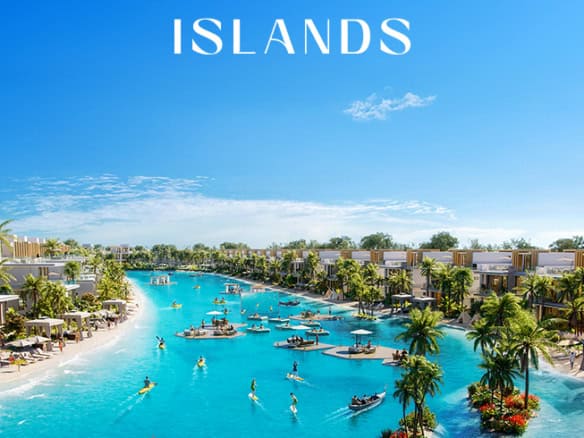
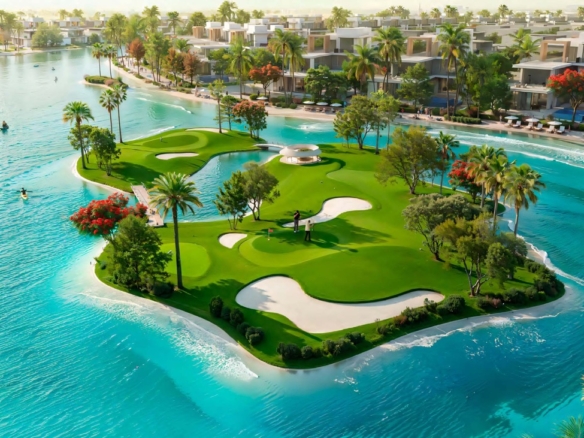
Off-plan property investment is still one of the most popular ways to chase capital growth. When you buy from a developer before a project is finished, you often lock in a lower price and get more flexible payment terms. The play here is to see the property’s value jump by the time you get the keys. A recent notable example is the high interest in luxury off-plan projects like Damac Islands from Damac Properties, which promise a unique island living concept.
After the purchase, it all comes down to your rental strategy.
Long-Term vs Short-Term Rentals
Choosing between a long-term tenant or the short-term holiday market is a big decision. It directly affects how much money you make and how much work you have to do.
- Long-Term Rentals: Signing an annual contract means you get a steady, predictable income with far less hassle. This is the perfect hands-off approach for investors who want consistent cash flow without the day-to-day management.
- Short-Term Rentals: Putting your flat on sites like Airbnb can bring in much higher nightly rates, especially in tourist magnets like Dubai Marina. But this is a more hands-on job. You have to deal with DTCM rules, higher turnover, and the risk of empty periods between guests.
To get a true sense of your profit, you need to calculate your net yield. That means subtracting all your costs—service charges, management fees, and any repair bills. To really get the most from the Dubai real estate market, you need to think beyond the initial purchase price to the ongoing operational costs and the importance of asset value preservation through a structured approach to building maintenance.
And as you navigate the world of international property, keeping an eye on your tax obligations is essential. You might find our guide on how capital gains tax works for foreign property helpful for planning ahead. By carefully balancing all these factors, you can turn your Dubai property into a genuinely profitable asset.
Putting Your Knowledge into Action with HomesGoFast
Right, you’ve got a solid grasp of the Dubai market—what’s driving it, where the hotspots are, and how the legal side works. The next step is the most exciting one: turning that insight into a real property search.
But sifting through the global property market is no small task. You need a platform that gives you both a bird’s-eye view and on-the-ground detail. That’s exactly where HomesGoFast.com comes in. We built it to connect serious international buyers with genuine, verified opportunities, not just in Dubai but across 50+ countries.
Think of it this way: today you might be zeroing in on a high-yield apartment in Downtown Dubai. Tomorrow, you could be comparing beachfront villas in a quiet corner of the Caribbean. Our platform lets you do that all in one place, which is a massive advantage for anyone looking to build a smart, diversified portfolio.
Cut Through the Noise and Connect with Vetted Professionals
Here’s a hard truth about buying property abroad: your success often comes down to the quality of the people you work with. One of the biggest mistakes overseas buyers make is getting tied up with the wrong agent. It leads to headaches, delays, and sometimes, a bad deal.
We tackle this problem head-on. Every listing on HomesGoFast comes from a reputable, established real estate agent or developer. We’ve done the filtering for you, adding a crucial layer of security. It means you’re connecting with professionals who actually understand the local market and know what foreign investors like you really need.
Our entire approach is about creating a direct, transparent line of communication. When you see a property you like, you contact the seller’s agent or the developer straight away. No middlemen, no runaround. Just a streamlined process to get your questions answered.
Build a Resilient, Global Property Portfolio
While this guide is focused on the incredible opportunities in the Dubai real estate market, the smartest investors know that true long-term security comes from global diversification. A platform like HomesGoFast is your toolkit for making that happen.
By giving you access to a huge range of listings worldwide, we empower you to build a properly robust portfolio of International Property For Sale. You can balance the high-octane growth potential of a market like Dubai with the steady, reliable returns of a prime European city, or even dip your toes into an up-and-coming hotspot.
It all starts with the right search. We give you the tools to make it smart, efficient, and secure.
FAQs: Investing in Dubai Real Estate
When global investors start looking at the Dubai real estate market, the same handful of questions always pop up. It’s completely understandable—you want to be sure about ownership, taxes, and residency before you make a move. Let’s tackle the most common queries head-on to give you the clarity and confidence you need.
Can foreigners really own property outright in Dubai?
Yes, absolutely. This is one of the biggest myths we have to bust. In specially designated “freehold” zones across Dubai, international buyers can purchase property with 100% ownership. This isn’t a long-term lease or some complicated arrangement; it’s your name on the title deed, registered with the Dubai Land Department (DLD). These freehold areas include the city’s most famous communities, like Dubai Marina, Downtown Dubai, and the Palm Jumeirah.
What are the main taxes to consider when buying property?
Dubai’s pro-investor tax environment is a huge part of its appeal. The main cost you’ll see upfront is a one-time transfer fee paid to the Dubai Land Department (DLD), set at 4% of the property’s value. Crucially, there are no annual property taxes, no capital gains tax when you sell, and no income tax on rental earnings for individuals. This minimal tax structure means a much larger share of your investment returns stays with you.
How can I get a residence visa through a property investment?
Investing in Dubai real estate offers a direct route to long-term residency through the UAE’s Golden Visa programme. To qualify, you need to make a minimum property investment of AED 2 million (around $545,000 USD). The visa is valid for 10 years, is renewable, and allows you to sponsor your spouse and children, making it a powerful tool for establishing a long-term base in the city.
Is it better to buy off-plan or a ready property?
This depends on your investment goals. Off-plan properties, bought from a developer before completion, offer the potential for lower entry prices and significant capital appreciation by handover. Projects from major developers like Damac Properties are often popular for this strategy. Ready properties provide immediate rental income, making them ideal for investors prioritising instant cash flow. Your choice depends on whether your focus is on future growth or immediate, stable returns.
Which areas in Dubai are best for investment?
For luxury and stable returns, Downtown Dubai and Dubai Marina are prime choices. For family-oriented communities with long-term rental stability, consider Dubai Hills Estate. For investors seeking higher yields and strong growth potential, emerging hotspots like Jumeirah Village Circle (JVC) offer excellent value and returns often exceeding 8%. The best area depends entirely on your investment strategy and risk appetite.
see Dubai Investment Apartments
About Homesgofast.com
HomesGoFast.com is a leading international property website, established in 2002, helping homeowners, real estate agents, and developers reach overseas buyers. Featuring thousands of listings from over 50 countries, the platform connects global property seekers with homes, apartments, villas, and investment opportunities worldwide.
Explore more overseas homes for sale at our global partner site:
https://homesgofast.com/overseas-property/
Looking to sell real estate to foreign buyers? Go to
https://homesgofast.com/sell-overseas-property/