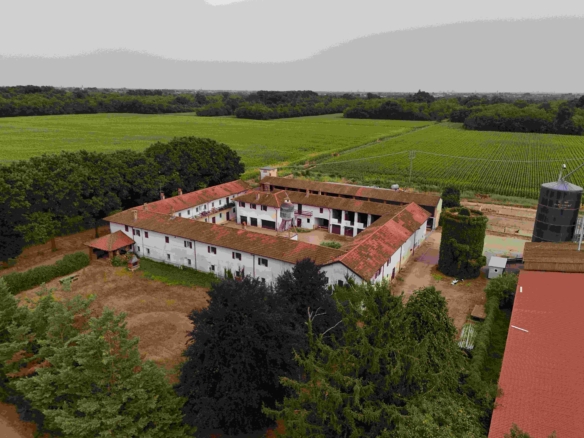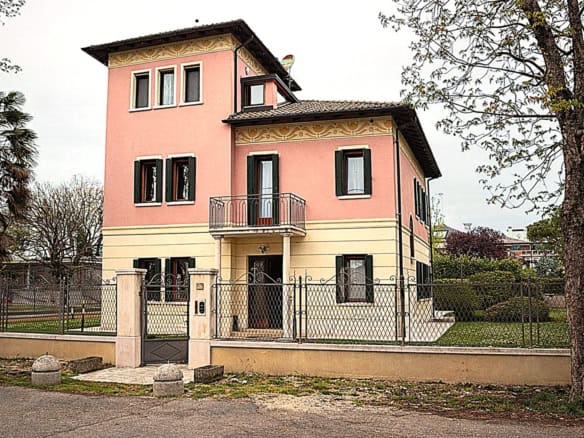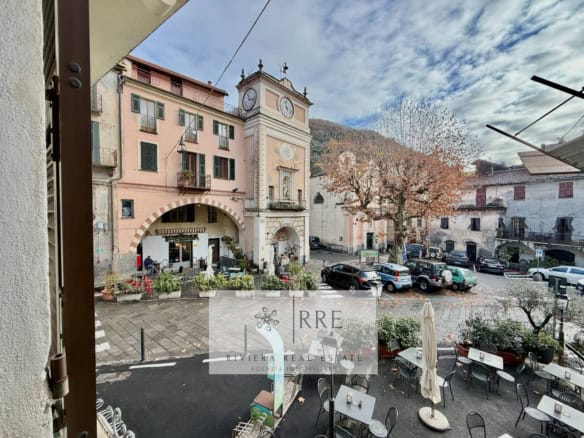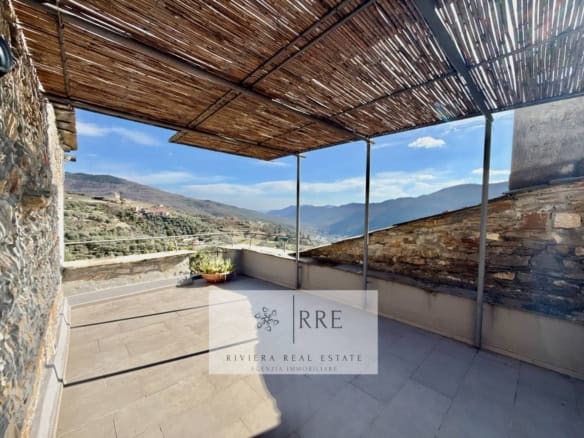
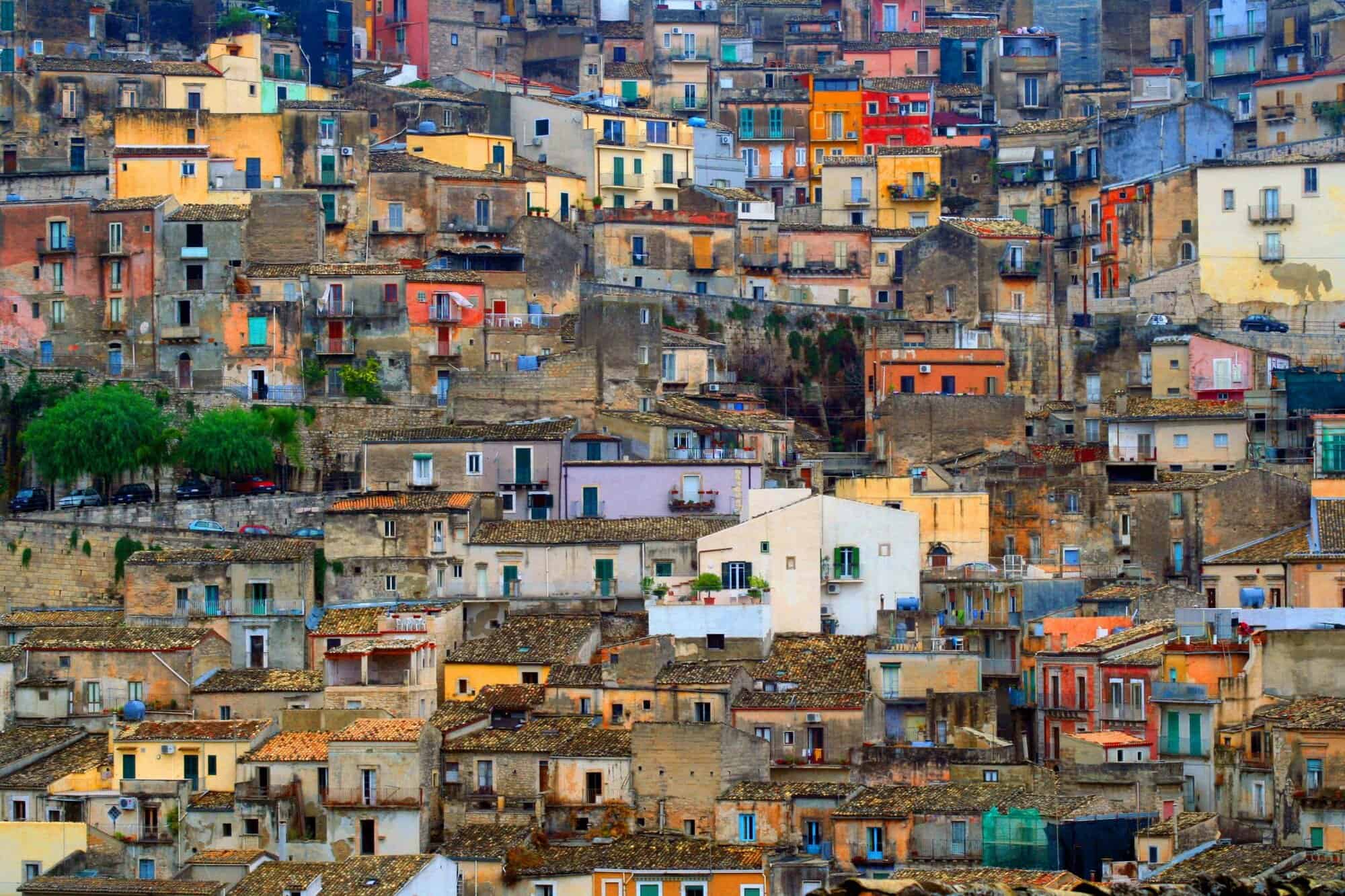
I have spent the last two decades watching property trends emerge and fade, but the Italian “Case a 1 Euro” (1-Euro Houses) phenomenon is one of the few that has actually managed to sustain itself into 2026. What started as a desperate attempt by a few dying villages to save their architecture has evolved into a structured, nationwide policy aimed at reversing rural depopulation.
If you are looking for cheap houses for sale in italy, the landscape in 2026 is more transparent than it was five years ago. We have more data, more “success” stories, and, crucially, more failed projects to learn from. This report breaks down the current reality of the market, the specific costs involved, and where the smartest money is moving this year.
The 2026 Landscape: Beyond the €1 Gimmick
According to the latest 2026 updates from Idealista and The Local, over 70 Italian towns now offer some form of a 1-Euro house scheme. However, calling these properties “cheap” is technically true only at the point of purchase.
The market has bifurcated into two distinct paths:
- The Symbolic Schemes: Properties sold for €1 to €5 by municipalities.
- The Under-Market Private Listings: Houses priced between €7,500 and €15,000 that don’t come with the same municipal strings attached.
In 2026, we are seeing a significant shift toward the second category. While the €1 homes grab the headlines, the private market in southern Italy is flooded with habitable: or nearly habitable: homes for the price of a used car.

Real-World Renovation Costs: The Math Behind the €1
The biggest mistake I see buyers make is treating a €1 house like a lottery win. It isn’t. It’s a contract. When you buy one of these properties, you are essentially signing a development agreement with the local council.
Based on reported data from projects completed in late 2025 and early 2026, here is the financial reality of “free” Italian property:
- Surety Bond: Most towns require a deposit or bond (usually between €2,000 and €5,000) that you forfeit if you don’t finish the work on time.
- Renovation Costs: For a typical 70–90 sqm townhouse, renovation costs in 2026 are averaging between €20,000 and €60,000.
- Energy Upgrades: Italy’s updated building codes now require higher thermal efficiency. Factoring in heat pumps or modern insulation is no longer optional if you want to meet the 2026 standards.
- Legal and Notary Fees: Expect to pay between €2,500 and €4,000 for the transfer of ownership and legal processing.
If you aren’t prepared to spend at least €35,000 total, the €1 house route is probably not for you. In that case, looking at international property in other regions or looking for distressed land might be more your speed.
Top Affordable Regions for 2026
If you are hunting for value, the data shows that the “Deep South” remains the most viable option. The price per square meter in these regions is driven down by a lack of local jobs, which, ironically, makes them perfect for remote workers and retirees.
Sicily
Sicily remains the undisputed heavyweight of affordable Italian real estate. Towns like Mussomeli have streamlined the process so well they now have dedicated offices for foreign buyers.
- Current Listings: You can find non-scheme townhouses in the historic center of Mussomeli for €10,000 to €15,000 that only need cosmetic work.
- The Catch: It is hot, and the infrastructure in the interior can be rugged.
Molise
Often called “the region that doesn’t exist” because it’s so overlooked, Molise is where I’m seeing the most interesting policy shifts. Petrella Tifernina is currently active with schemes that focus on attracting young families and digital nomads. It is greener and cooler than Sicily, offering a more “Apennine” lifestyle.
Calabria
Calabria is the place for those who want proximity to the sea without the Tuscan price tag. While the 1-Euro houses here are often inland, you are rarely more than 30 minutes from the coast.

Specific Active Towns in 2026
If you are starting your search today, these three towns represent the most active and organized programs currently running:
- Mussomeli (Sicily): The “Gold Standard” of the movement. They have a high volume of properties and a clear, multi-language support system.
- Villa Basilica (Tuscany): This is a rare find. Most “cheap” Italy is in the south, but Villa Basilica offers a gateway into Tuscany for those willing to take on a significant structural project. Prices here are symbolic, but renovation costs are higher due to regional building regulations.
- Petrella Tifernina (Molise): Known for its incredibly preserved medieval layout. The local government is highly motivated to fill empty homes and is often more flexible with renovation timelines than larger municipalities.
The 6-12-3 Rule: Policy Requirements
Don’t let the “casual” Italian lifestyle fool you; the contracts for these homes are strict. Most municipalities have converged on a standard timeline that I call the 6-12-3 rule:
- 6 Months: You must usually submit a detailed renovation plan to the local technical office.
- 12 Months: You must have started the physical work on the property.
- 3 Years: The project must be completed and have a “certificate of habitability.”
Failure to meet these deadlines usually results in the loss of your surety bond, and in some extreme cases, the property can revert to the municipality. If you’re tackling a major remodel, I highly recommend checking out our guide on how to ace a major home remodel to avoid common pitfalls.
The €15,000 Alternative: Why Some Buyers Are Skipping the Schemes
I’ve noticed a growing trend in 2026: the “Second-Hand Bargain.” Instead of buying a €1 house through a scheme, savvy buyers are looking at private listings in the same towns.
Recent data from southern Sicily shows two-storey townhouses in places like Cianciana listed for €7,500 to €9,000. Why would you pay more than €1?
- No Deadlines: You can renovate at your own pace.
- Less Bureaucracy: You aren’t dealing with the municipality’s legal department.
- Better Condition: A €10,000 house usually has a roof and floors; a €1 house often doesn’t.
In San Cataldo, for example, 70-90 sqm townhouses are selling for around €11,000. These are often sold by families who moved to the cities decades ago and just want to stop paying the annual property taxes (IMU).

The “Sweet Spot” Market: €50,000 to €80,000
If your budget is a bit higher, the 2026 market offers what I call “Practical Value.” In regions like Le Marche or Tuscany, €75,000 can now buy you a seismically refurbished property.
For instance, near Sansepolcro in Tuscany, there are farmhouses listed at €79,000 where the structural work: the most expensive part: is already finished. You are left with the “fun” part: the interior design and finishes. This is often a much safer investment for those who aren’t looking to spend three years managing a construction site from another country.
Strategic Advice for 2026 Buyers
If you are serious about finding cheap houses for sale in italy, here is my grounded, non-hype advice:
- Hire a Lawyer Early: Do not sign anything with a municipality or a private seller without your own legal representation. Italian property law is complex, and “standard” contracts often favor the seller. I’d suggest looking into why you need a real estate lawyer before you book your flight.
- Visit in Winter: Every Italian village looks like a dream in July. Visit in January. If you can handle the damp, the quiet, and the lack of open restaurants in the off-season, you’ll know if you can actually live there.
- Check the Connectivity: If you plan to work remotely, don’t assume the 5G is great just because you’re in Europe. Many of these €1 towns are in “dead zones.”
- Budget for the “Hidden” Costs: Taxes, notary fees, and the cost of flying back and forth to manage contractors will add 15-20% to your initial budget.
Final Thoughts
The window for “cheap” Italy isn’t closing, but it is changing. The days of buying a ruin and letting it sit for a decade are over. The Italian government is using these schemes as a tool for active repopulation, not as a gift to foreign investors.
If you have the stomach for a renovation project and the patience for Italian bureaucracy, 2026 is actually a great time to buy. The “experimental” phase of these schemes is over, and the processes in towns like Mussomeli and Petrella Tifernina are now well-oiled machines.
Just remember: you aren’t just buying a house; you’re buying into a community that desperately wants you to stay. Respect the timelines, hire local contractors, and you might just find that the cheapest house you ever bought becomes your most valuable asset.