Mexico’s property market has moved well beyond the old stereotype of bargain beach homes and retirement hideaways. In 2026, it’s a serious market for buyers who want a mix of lifestyle, rental potential, and long-term investment logic without losing sight of the practical details.
As we move through May 2026, the numbers are doing the talking. We’ve just seen an 8.7% jump in home prices in the early months of this year, according to the latest SHF index reports, while institutional investors continue to track Mexico’s fundamentals closely in the PGIM Real Estate 2026 Mexico Outlook. This isn’t a flash in the pan, either. The residential market is on a trajectory to hit a staggering $21.1 billion by 2033. For those of us who have been watching this space at HomesGoFast.com since the late 90s, the evolution is clear: Mexico is maturing, and the window for “early-ish” entry is narrowing.
The “Nearshoring” Engine: Not Just a Buzzword
While everyone was looking at beach houses, the industrial north of Mexico was quietly changing the game. If you want to understand Mexico real estate 2026, you have to understand “nearshoring.”
In short, global companies have realized that shipping everything from halfway across the world is a logistical nightmare. To stay competitive, firms are moving their manufacturing and tech hubs closer to the US market. This has turned cities like Monterrey and Tijuana into economic engines. When thousands of high-paying jobs move to a city, people need places to live. We’re seeing a massive ripple effect where industrial growth is directly fueling residential demand.
In Monterrey, the supply of modern housing is struggling to keep up with the influx of corporate professionals. This creates a sweet spot for investors: steady capital appreciation and a reliable pool of professional tenants. It’s a far cry from the “sleepy siesta” stereotype, and the data shows international investment turnover has increased by 15% as a result of this economic pivot.
The Hotspots: Where to Buy Property in Mexico
Choosing where to park your capital in Mexico is a bit like choosing a salsa, everything from “mild and safe” to “extra spicy” is on the menu. Here’s how the 2026 map looks:
1. Riviera Maya (Tulum & Playa del Carmen)
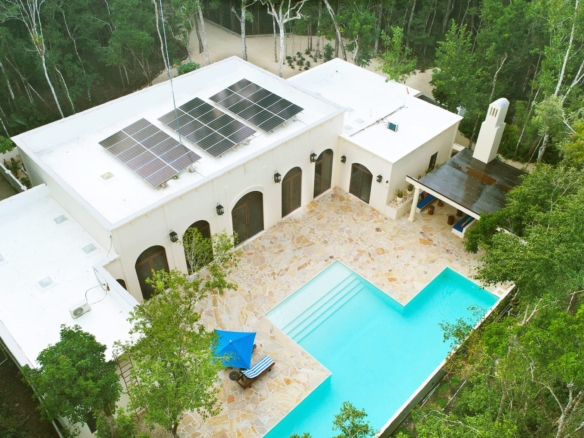
This is the lifestyle dream. If you’re looking for high rental yields, this is still the heavyweight champion. However, it’s becoming more competitive. In 2026, the “smart money” is moving away from generic condos and looking for “livable luxury”, units that work for a two-week vacation but are comfortable enough for a three-month remote work stint. On our own Mexico property listings, that range is pretty clear: in Tulum, luxury hacienda-style villas in Los Arboles sit at around €652,000, while in Playa del Carmen, a higher-end play like Private Oasis Mexican Caribbean with 9 bedrooms comes in at about €1,450,000. If you want the Riviera Maya shorthand, think less “cheap crash pad near the beach bar” and more “well-designed sanctuary with rental appeal.”

2. Los Cabos
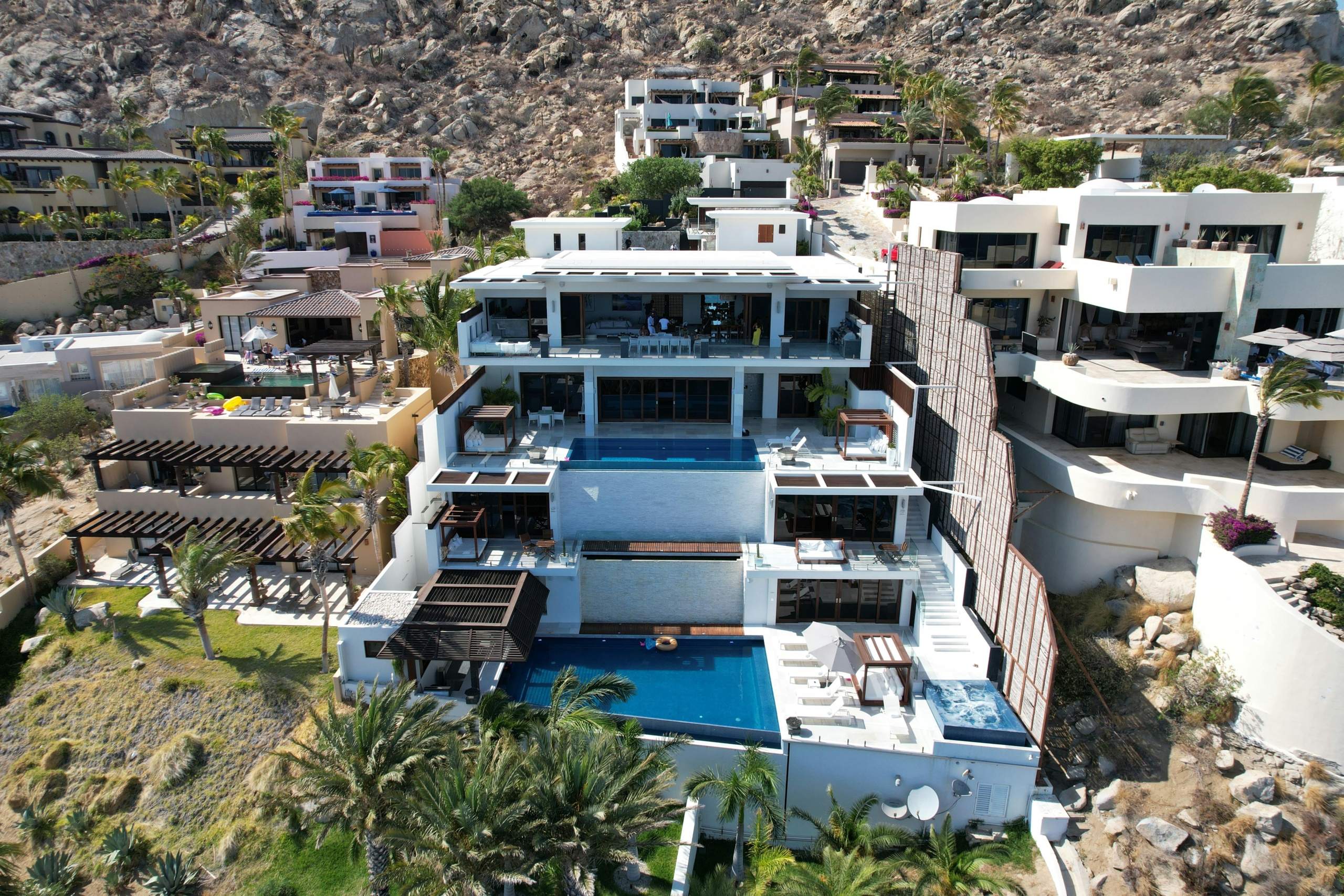
Cabo has always been a favorite for the North American market, but the level of foreign participation here is staggering. In certain coastal and border zones, foreign ownership and investment account for 15% to 60% of the market activity. It’s a high-end play with high-end returns, particularly in the luxury villa segment.
3. Mexico City (CDMX)
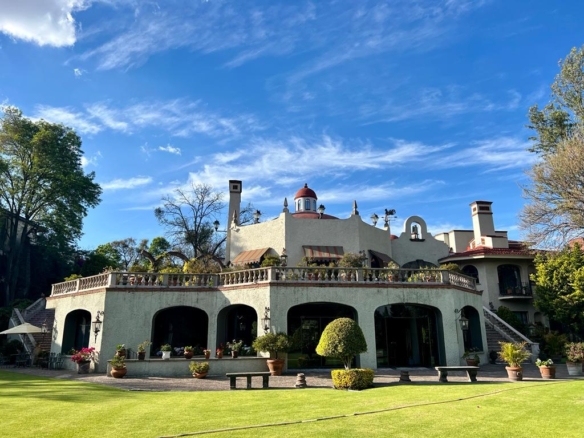
The capital is currently the world’s darling for the “creative class.” Districts like Polanco remain the gold standard for luxury, while Roma and Condesa have seen significant price hikes due to their popularity with international remote workers. While there is plenty of talk about “gentrification,” from an investment perspective, these areas remain incredibly resilient with some of the tightest rental inventories in the country. At the top end, this is also where Mexico’s ultra-luxury market really shows off: our listings include 5-bed Spanish architecture designer houses in prime districts at around €17,900,000. That’s not “nice apartment with a leafy balcony” money; that’s full-fat trophy-asset territory.
4. Merida & The Yucatan
If safety and long-term growth are your primary metrics, Merida is your winner. Known as the safest city in Mexico, it has become a magnet for both domestic families fleeing the heat of CDMX and international buyers looking for a more “authentic” colonial experience. Prices here are still accessible compared to the coast, but they won’t stay that way forever.
5. San Miguel de Allende, Ajijic, and the character-home market
If your idea of a good investment includes walkable historic streets, proper architecture, and a place with some soul, this part of the market deserves attention. In San Miguel de Allende (Guanajuato), entry-level options on our listings include a Charming Centro Histórico Home with a rooftop jacuzzi for around €215,000, while larger statement homes such as Casa De Los Angeles, an 8-bed estate, are priced at roughly €1,247,000. Over in Ajijic (Lake Chapala), houses in La Floresta are listed around €695,000, which gives buyers another strong option for a lifestyle-led move without immediately jumping into eight-figure CDMX territory.
6. Unique finds for buyers who want something less ordinary
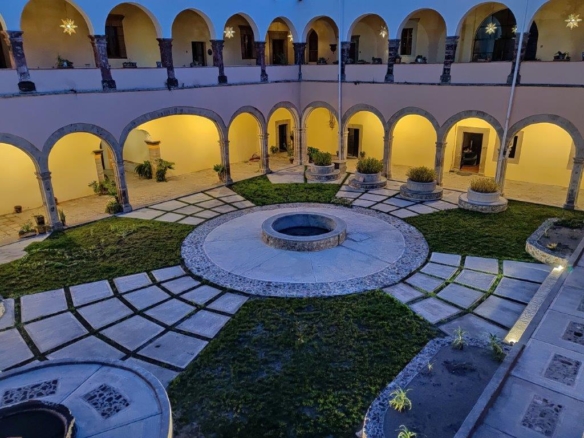
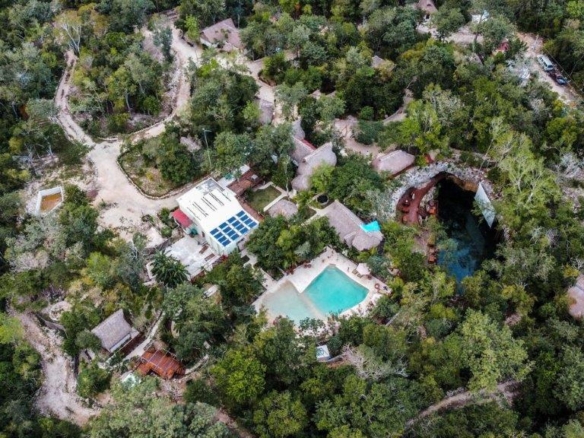
Mexico also does eccentric luxury rather well. If you want something beyond the standard villa-and-pool formula, our listings include the Vida Jungle Resort in Quintana Roo at around €2,200,000, as well as historic estates in Salvatierra, Guanajuato priced near €2,299,000. In other words, the market runs from accessible downtown gems to multi-million euro sanctuaries, which is exactly why broad-brush pricing takes you only so far.

The Advantages: Why Investors Are Biters
Why are people choosing to buy property in Mexico over, say, a budget Baza home in Spain? It usually comes down to three things: Taxes, Trust, and Turnover.
- Low Property Taxes: In many parts of Mexico, property tax (known as Predial) is remarkably low, often hovering around 0.1% of the property value. Compare that to the US or parts of Europe, and the carrying costs of your investment look much more attractive.
- The Fideicomiso System: For decades, foreigners were wary of buying near the coast. The Fideicomiso (a bank trust) solves this. It allows you to hold all the rights of ownership through a bank-managed trust. It’s a secure, tried-and-tested legal structure that has protected billions in foreign investment.
- International Turnover: We’ve seen a 15% increase in international investment turnover this year. That broader investor confidence also fits the institutional picture outlined in the PGIM Real Estate 2026 Mexico Outlook. This means the market is liquid. People are buying, selling, and moving capital with more confidence than ever before.
Practical Advice: Avoiding the “Ejido” Trap
I’m all for the “Tequila and Tacos” vibe, but when it comes to the “Title Deeds” part, you need to be stone-cold sober. The biggest mistake foreign buyers make is failing to understand Ejido land.
Ejido land is communally owned agricultural land. It is not private property and cannot be legally sold to you unless it has gone through a rigorous “regularization” process to become private title (Propiedad Privada). If a deal looks too good to be true: especially for a beachfront plot in a remote area: it’s likely Ejido land.
My Actionable Advice for 2026:
- Due Diligence is Non-Negotiable: Always hire a reputable Notario (Notary Public) and an independent real estate attorney. In Mexico, the Notario has a much higher legal responsibility than a notary in the US or UK; they represent the state and ensure the transaction is legal.
- Verify Land Tenure: Ensure the property has a clear title and isn’t tied up in communal land disputes.
- Think About Infrastructure: With the 2026 growth, some areas are growing faster than their power grids and water supplies. Investigate the “boring” stuff before you fall in love with the view.

Is Mexico the Right Move for You?
The Mexico property market trends we’re seeing in 2026 point toward a market that is diversifying. It’s no longer a monolithic “vacation home” market. You can choose an industrial play in Monterrey, a tech play in CDMX, or a classic yield play in the Riviera Maya.
Average home prices currently sit around MXN 2 million (approx. USD $100,000), though obviously, your mileage will vary significantly by region. Our own listings make that spread very tangible: you can still find a character-led buy in San Miguel de Allende for about €215,000, step up to Ajijic around €695,000, target Riviera Maya luxury in Tulum near €652,000 or Playa del Carmen at roughly €1,450,000, and then leap all the way to ultra-prime Mexico City stock at around €17,900,000. For many buyers, that range is the real story: Mexico is not one market, and pretending otherwise is a quick way to overpay or overlook a gem.
If you’re comparing options, you might also look at luxury estates in Sri Lanka or traditional houses in Greece, but few places offer the same combination of proximity to the US, massive economic restructuring (nearshoring), and a lifestyle that is globally envied.

Take the Next Step with HomesGoFast.com
At HomesGoFast.com, we’ve been connecting buyers and sellers across more than 50 countries since 1999. We aren’t just a listing site; we are a lead-generation powerhouse designed to make international real estate accessible. Whether you are looking for an investment property in Mexico through our Mexico property listings or trying to find the best places to live in Mexico for your retirement, our heritage and global reach ensure you’re seeing the best the market has to offer. If you’re marketing a home to overseas buyers, you can also use our Sell Your Property service.
The 2026 market is moving fast. Don’t let the sun set on your opportunity to own a slice of the world’s most exciting emerging property market.
Ready to explore? Check out our latest listings and market guides at HomesGoFast.com/about/, browse US foreclosures if you’re comparing value-led opportunities in North America, and see why we’ve been the trusted name in global property for over a quarter of a century.