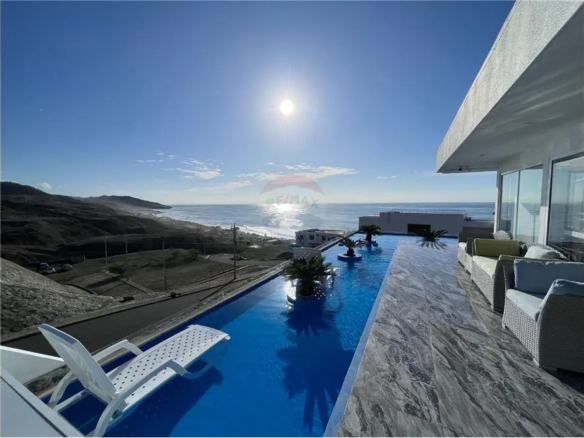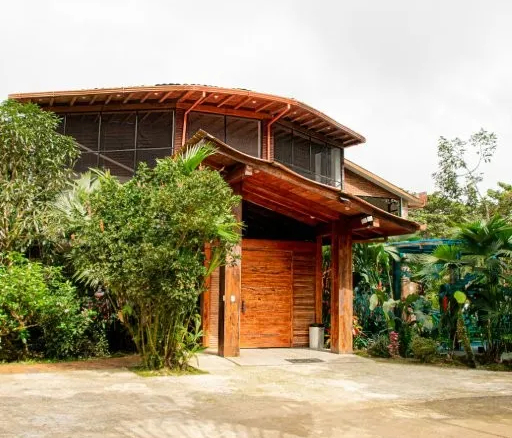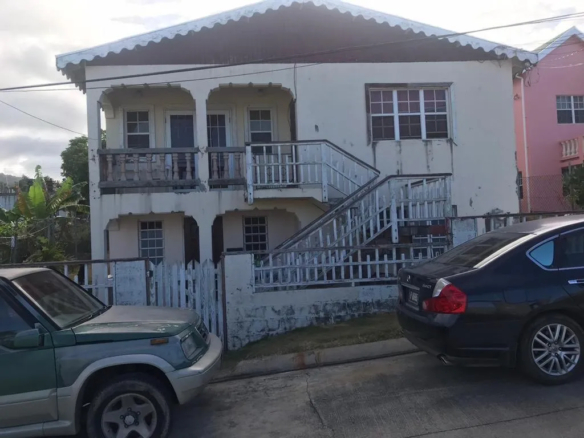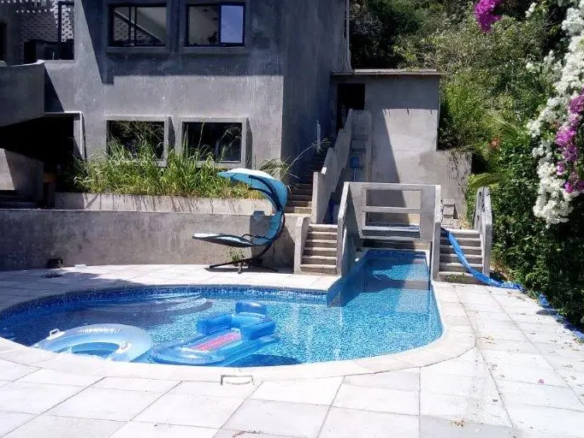

What if you could secure a modern Pacific coast villa for less than the price of a one bedroom apartment in Miami, all while using the US dollar? You likely recognize that Ecuador offers a rare combination of Andean peaks and tropical shores, yet the fear of legal red tape or economic shifts often keeps investors on the sidelines. It’s a common concern, especially when you’re looking to protect your capital in a foreign market.
This guide will show you how to navigate the market for homes for sale in ecuador with total confidence. You’ll discover how to secure high-ROI properties, bypass common legal pitfalls, and use your investment to fast-track a residency visa. Investors are attracted by the fact that Ecuador has used the US dollar since January 2000, which removes the currency volatility often found in overseas real estate markets.
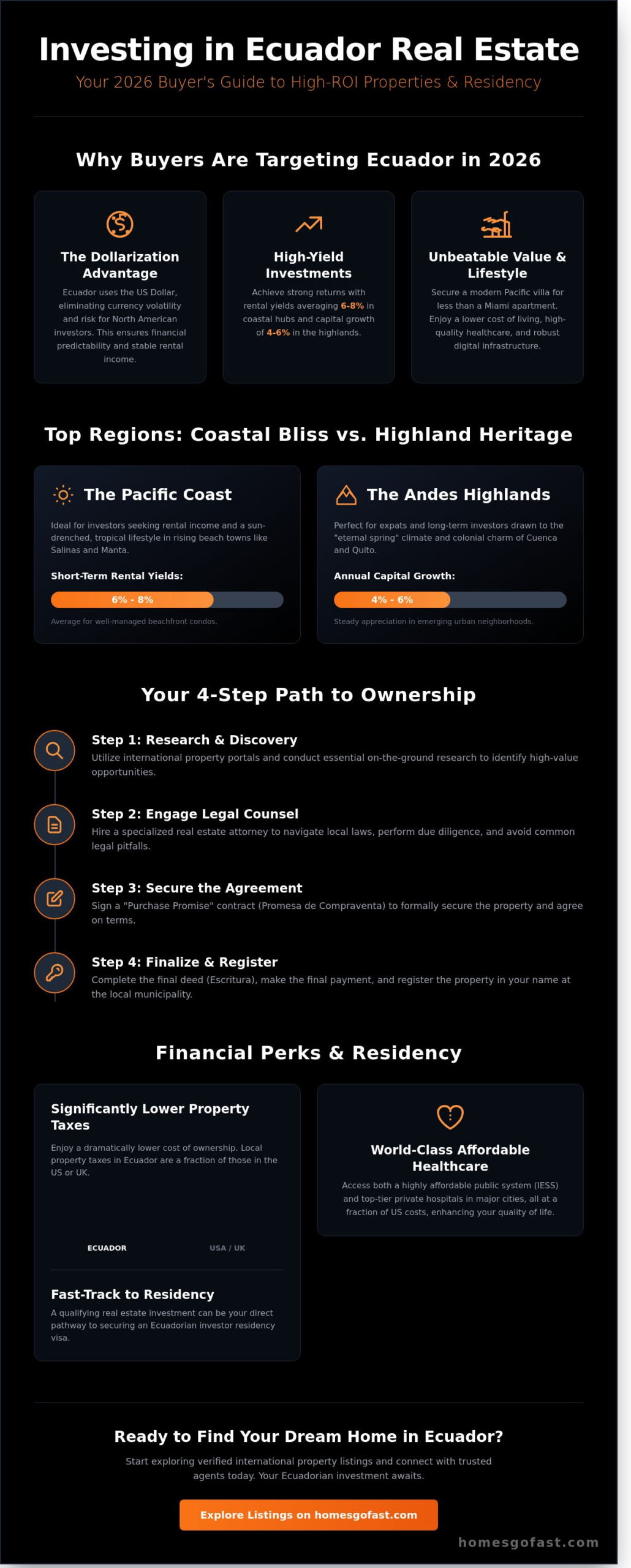
We’ll break down the top investment hotspots for 2026, from the colonial charm of Cuenca to the rising beach towns of Manabí. By the end of this article, you’ll have a clear roadmap to lower your cost of living without sacrificing the quality of life you’ve worked hard to enjoy. Let’s explore the international property listings that are currently shaping the middle of the world.
Key Takeaways
- Understand the “Dollarization Advantage” and why investors are increasingly looking for the currency stability offered by the Ecuadorian market.
- Navigate the regional differences between the Pacific Coast and the Andes Mountains to maximize your investment’s future resale value.
- Gain a clear, step-by-step roadmap for the legal process, from hiring a specialized attorney to securing a “Purchase Promise” contract.
- Learn to find the best value homes for sale in ecuador by utilizing international portals alongside essential on-the-ground research strategies.
- Break down the true cost of ownership, including why local property taxes remain significantly lower than in the US or UK.
Why Buyers are Increasingly Looking for Homes for Sale in Ecuador
Buyers are increasingly looking for homes for sale in Ecuador as the global search for value and stability intensifies in 2026. This South American gem has moved from a niche retirement spot to a top-tier destination for international property listings. You’ll find a unique mix of high-altitude colonial charm and sun-drenched coastal living that few other countries can match at this price point.
Investors are attracted by the “Dollarization Advantage.” By using the US dollar as its official currency, the country removes the headache of currency fluctuations that can sometimes impact Ecuador’s economic landscape. This makes your financial planning predictable and your rental income stable. It’s a massive win for North Americans who want to move capital without the risk of a local currency crash.
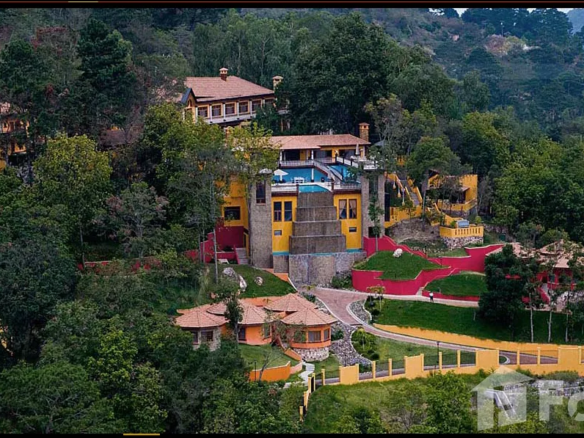
To better understand the lifestyle and property options available, watch this helpful video showcasing a typical estate:
Beyond the numbers, the lifestyle appeal is undeniable. You can spend your mornings in the “eternal spring” climate of the Andes and your afternoons exploring UNESCO World Heritage sites in Quito or Cuenca. We’ve seen a sharp rise in “Plan B” residencies among professionals from the US and Canada. They aren’t just looking for a vacation home; they’re securing a high-quality lifestyle in a country that prioritizes biodiversity and community.
The Investment Climate in 2026
The market is showing strong vital signs. Short-term rental yields in coastal hubs like Salinas are currently averaging between 6% and 8% for well-managed beachfront condos. In the highlands, emerging neighborhoods in Cuenca and Quito are seeing steady capital growth of 4% to 6% annually. When you compare entry prices here to homes for sale in boquete panama, Ecuador consistently offers more square footage for your dollar. You’ll often find that a luxury penthouse in Cuenca costs significantly less than a similar mountain villa in Panama’s popular expat enclaves. Buyers who are also weighing Caribbean options should explore homes for sale in Jamaica, where a 5.4% rise in residential property values is drawing similar interest from North American investors seeking high rental yields.
Infrastructure and Accessibility
Getting here is easier than ever. Recent modernizations at Mariscal Sucre International (UIO) and José Joaquín de Olmedo (GYE) have increased direct flight frequencies from major North American hubs. Once you land, you’ll notice the digital infrastructure has caught up with the demand. High-speed fiber optic internet is now standard in the major cities, making it a haven for digital nomads. Healthcare is another major draw. The IESS public system remains highly affordable for residents, and private hospitals in the “big three” cities offer world-class care at a fraction of US costs. If you’re ready to explore your options, now is the time to browse the latest homes for sale in ecuador before demand drives prices higher.
Comparing the Top Regions: Coastal Bliss vs. Highland Heritage
Choosing between the Pacific Coast and the Andes Mountains depends on your specific lifestyle goals. If you’re searching for homes for sale in ecuador, you’ll find the market split between the cool Sierra and the tropical Costa. Investors are attracted by “The Gringo Trail,” a series of established expat hubs where resale value remains high due to consistent demand. Areas within this trail benefit from better infrastructure and a higher concentration of English speaking services.
Before committing to a purchase, you should review the U.S. State Department travel information to understand the local legal and safety environment. It’s a vital step in your due diligence process. You also need to decide between urbanizaciones (gated communities) and independent properties. Gated communities offer 24/7 security and shared amenities; however, independent homes provide more privacy and freedom from monthly HOA fees.
Buyers are increasingly looking for “sleeper” markets like the Yunguilla Valley or Puerto Cayo. These locations offer lower entry prices than established hubs but show strong growth potential. For instance, the expansion of the Manta cruise terminal in 2018 significantly boosted local property interest. Staying ahead of these infrastructure developments is key to securing capital growth in your overseas property investment.
The Highlands: Cuenca, Cotacachi, and Vilcabamba
Cuenca serves as the cultural heart of the country. With an expat population exceeding 10,000 people, it offers a turnkey social life and high quality healthcare. The city’s UNESCO World Heritage status protects its historic charm, ensuring that property values in the center remain stable. It’s a walkable city with a spring like climate year round.
Cotacachi offers a quieter pace at the base of the Imbabura Volcano. It’s famous for leather crafts and a tight knit community. If you prefer a wellness focus, Vilcabamba is the “Valley of Longevity.” Its lower elevation provides warmer temperatures than Cuenca, attracting those focused on organic gardening and outdoor fitness. Homes for sale in ecuador within these mountain regions often feature traditional adobe styles or modern villas with panoramic views.
The Coast: Salinas, Manta, and Olón
Salinas is often called the “Little Miami” because of its skyline of high rise condos. It’s the primary destination for wealthy weekenders from Guayaquil, making it a strong market for short term rentals. Manta offers a more industrial, working city vibe but includes luxury gated communities and a new airport terminal that improves international connectivity. It’s a functional city with all the modern amenities you’d expect in North America.
Olón and Montañita cater to a different crowd. While Montañita is the party and surf capital, Olón provides a peaceful, bohemian atmosphere with wide sandy beaches. You’ll find beachfront villas here that offer a more relaxed, community oriented lifestyle compared to the high rises of Salinas. Whether you want a luxury condo or a rural retreat, you can browse various international property listings to compare current market rates across these diverse coastal provinces.
The Step-by-Step Process of Buying Property in Ecuador
Buying your dream home in the Andes or along the Pacific coast requires a structured approach to ensure your investment stays secure. The legal system in Ecuador is based on civil law, which means documentation and notary involvement are central to every transaction. Investors are attracted by the straightforward nature of the process, provided they follow the established legal sequence.
- Step 1: Hire a specialized real estate attorney. You need a local expert to conduct a comprehensive title search. They verify the chain of ownership and ensure there are no hidden family disputes over the land.
- Step 2: Negotiate the Promesa de Compraventa. This Purchase Promise is a binding contract that outlines the price, closing date, and penalties for withdrawal. You typically pay a 10% deposit at this stage.
- Step 3: Conduct due diligence on the Certificado de Gravamen. Your lawyer must obtain this Lien Certificate from the Land Registry. It confirms the property is free of mortgages, liens, or legal prohibitions.
- Step 4: Sign the Escritura Pública at the Notary. The Notary Public witnesses the signing of the final deed. You’ll pay the remaining balance here, often via a bank transfer or a certified check.
- Step 5: Registration with the Land Registry. Ownership only officially transfers once the deed is recorded at the Registro de la Propiedad. This final step protects your title against future claims.
Legal Safeguards for Foreigners
You’ll find that Ecuador is very welcoming to international buyers. Foreigners enjoy the same property rights as Ecuadorian citizens under the national constitution. There are very few restrictions, though Article 5 of the Constitution technically limits foreign ownership within 50km of national borders or the coastline. While waivers are common for residential homes for sale in ecuador, you must have your attorney verify these permissions early. The Notary acts as a neutral government representative, ensuring all taxes are paid and identities are verified before any funds change hands.
Avoiding Common Pitfalls
One of the biggest mistakes you can make is purchasing “Rights and Actions” (Derechos y Acciones). This often happens with inherited land where the plot hasn’t been legally subdivided. You’d technically own a percentage of a larger farm rather than a specific lot, which makes building or selling nearly impossible. Always insist on a “Cuerpo Cierto” or a clearly defined deed.
Before closing, verify that all municipal taxes, known as Impuesto Predial, are paid in full. Unpaid utility bills or tax liens can follow the property and become your responsibility after the sale. Using reputable international real estate listings helps filter for verified properties that have already undergone basic screening. Buyers are increasingly looking for turnkey solutions to avoid the bureaucratic hurdles of unpermitted construction. Secure your future by insisting on a clean title and a registered deed from day one.
Understanding the Real Costs: Taxes, Fees, and Residency Benefits
Buying property abroad involves more than just the sticker price. When you look at homes for sale in ecuador, you’ll find closing costs are refreshingly low compared to North American or European standards. You should budget between 1% and 3% of the purchase price to cover legal fees, notary charges, and registration taxes. This efficiency makes the entry into the market much smoother for international buyers.
Property taxes provide even more financial relief. While a $300,000 home in the UK or US might carry thousands in annual taxes, a similar property in Cuenca or Manta often costs less than $400 per year. Local municipalities calculate these rates based on the property’s assessed value, which is usually lower than the market price. Investors are attracted by this low carrying cost, as it significantly boosts net rental yields.
Capital gains tax is another critical factor for your exit strategy. If you decide to sell your Ecuadorian home later, the tax on your profit is typically 10%. However, many local municipalities offer a sliding scale of discounts. If you hold the property for several years, your tax liability often decreases, rewarding long-term investors who contribute to the local economy.
Cost of Ownership Breakdown
Monthly maintenance varies by location and luxury level. In popular coastal hubs like Manta and Salinas, HOA fees in gated communities typically range from $120 to $250. These fees usually cover 24/7 security, pool maintenance, and landscaping. You’ll find that lifestyle costs remain low because the government subsidizes basic utilities. A typical monthly bill for electricity, water, and gas rarely exceeds $70 for a standard two-bedroom condo.
If you plan to use your home as a rental investment, professional property management is essential. Most firms in expat-heavy areas charge between 10% and 15% of the monthly rental income. They handle everything from tenant screening to emergency repairs, ensuring your investment remains hands-off and profitable while you’re out of the country.
The Path to Permanent Residency
Buying a home is a direct ticket to a new life in South America. The 9-VI Investment Visa is a popular route for those securing homes for sale in ecuador. For 2026, the investment threshold remains linked to the unified basic salary (SBU). You currently need to invest approximately $46,000 in real estate to qualify for residency. This path allows you to stay indefinitely and eventually apply for citizenship after three years of permanent residency.
Retirees over age 65 enjoy specific legal perks that make living here even more affordable. You can claim monthly VAT refunds on essential purchases and receive 50% discounts on public transportation, airfare, and utility bills. You can explore a glossary of global market trends to see how these residency incentives compare to other popular destinations like Portugal or Spain. Investors diversifying across European markets may also want to review the homes for sale in Valencia Spain guide, which covers Golden Visa requirements and the city’s growing appeal as a more affordable alternative to Madrid. Those seeking undervalued European property with protected natural landscapes should also consider Abruzzo Italy, where 75% of the territory remains protected parkland and international inquiries rose 15% in late 2024. Investors drawn to Mediterranean Europe’s prestige markets may also find value in exploring real estate in Taormina, Province of Messina, Italy, where cliffside properties overlooking the Ionian Sea deliver steady 4% to 6% rental yields on high-end holiday lets.
Ready to find your perfect investment? Browse international property listings to see the latest opportunities in Ecuador.
Finding Your Dream Home: How to Use International Portals
Searching for homes for sale in ecuador requires a strategy that balances digital tools with physical presence. Portals allow you to filter by price per square meter and specific amenities, which is vital in a market where pricing can vary significantly between expat enclaves and local neighborhoods. You should prioritize listings that offer detailed floor plans and clear historical data on property taxes.
Digital listings are your starting point, but you shouldn’t buy sight unseen. Investors are attracted by the low entry costs, but they often realize that a property’s value is tied to its proximity to infrastructure. Spend at least two weeks in your target city. Walk the streets at night; visit the local markets on a Tuesday morning. This research prevents costly mistakes that high-gloss photos might hide.
The “Smart Advisor” approach involves looking beyond the aesthetic. Buyers are increasingly looking for properties with reliable high-speed internet and backup water systems, as the digital nomad population in Ecuador grew by an estimated 15 percent in 2023. Use portals to compare the cost of living in Cuenca against the coastal markets like Manta or Salinas to ensure your budget aligns with your lifestyle goals. If you’re also considering other warm-weather markets in the region, the homes for sale in Jamaica market offers a compelling Caribbean alternative with strong rental yield potential in parishes like St. James and St. Ann.
Why Advertise or Search with HomesGoFast?
We provide a vital bridge between the local Ecuadorian market and the global stage. If you need to sell overseas property, our platform ensures your listing reaches a motivated audience of international investors. Our reach helps you bypass the limitations of local-only classifieds, connecting you with buyers from North America and Europe.
Buyers benefit from our ultimate checklist for international listings, which helps you verify legal titles and avoid common pitfalls. We simplify the process by connecting you directly with professional agents and private sellers who understand the nuances of Ecuadorian law. This transparency reduces the stress of cross-border transactions.
- Verify the Escritura: Always check the Title Deed early in the process.
- Tax Comparisons: Compare the Alcabala (transfer tax) across different municipalities.
- Debt Checks: Ensure the property has no outstanding utility debts or liens.
- Surveyor Verification: Confirm property boundaries with a certified professional.
Next Steps for Your Ecuadorian Adventure
Your journey begins with a discovery tour. Visit the Andean highlands and the Pacific coast in a single 10 day trip to compare investment yields. You’ll also need to consider financial logistics. While non-residents can open bank accounts at institutions like Banco Pichincha, you often need a local reference and a minimum deposit ranging from $500 to $1,000.
Setting up your financial footprint early makes the closing process much smoother. Once you have your local account, you can easily manage utility payments and property taxes from abroad. It’s a practical step that signals you’re a serious buyer in a competitive market.
Ready to start your search? Browse our current homes for sale in ecuador to see the variety of properties available today and secure your piece of this diverse market.
Secure Your Future in the Middle of the World
Ecuador remains a standout choice for international buyers in 2026. You’re looking at a dollar-based economy that removes currency exchange risks, making it a stable environment for capital growth. Whether you prefer the colonial charm of Cuenca or the beachside allure of Salinas, the market offers high rental yield potential for savvy investors. Navigating the legal process is straightforward when you have the right local expertise to guide you through taxes and residency applications.
Finding the right homes for sale in ecuador requires a platform you can trust. HomesGoFast brings over 20 years of experience in global real estate marketing to your property search. You’ll get direct access to verified agents in key hubs like Quito and Salinas, ensuring your investment is secure and your transaction is efficient. It’s time to take the next step toward your overseas property goals and lock in a high-value asset.
Browse current homes for sale in Ecuador on HomesGoFast
Your dream home at the center of the world is closer than you think. Take action now and discover why investors are increasingly looking for opportunities in this vibrant, welcoming market.
Frequently Asked Questions
Can foreigners legally own property in Ecuador?
Yes, you have the same property rights as Ecuadorian citizens under Article 9 of the 2008 Constitution. There are no restrictions on foreign ownership, except for properties located within 50 kilometers of national borders or the coastline, which require a special military permit. Investors are attracted by this legal parity when searching for international property listings.
How much money do I need to invest in property to get residency in Ecuador in 2026?
To qualify for an Investor Visa in 2026, you’ll likely need to invest at least $50,000 in real estate. The law currently requires an investment equal to 100 times the Unified Basic Salary (SBU). Since the SBU has increased by roughly $25 annually, the threshold is projected to rise from its 2024 level of $46,000 to over $50,000 by early 2026.
Is it better to buy a house in the mountains or on the coast of Ecuador?
The choice depends on your lifestyle preferences and climate needs. Buyers are increasingly looking for the 15 to 22 degree Celsius “eternal spring” weather found in mountain cities like Cuenca. Conversely, those seeking vacation rental income often choose the coast, where homes for sale in ecuador offer direct beach access and high seasonal demand.
What are the closing costs when buying a home in Ecuador?
You should budget between 1% and 3% of the purchase price for total closing costs. This includes the 1% alcabala (transfer tax), a 0.1% registration fee, and notary charges which typically range from $200 to $500. These low entry costs help you maximize your initial capital when diversifying into overseas property. Investors building a globally diversified portfolio may also want to compare these figures against the acquisition costs for homes for sale in Valencia Spain, where purchase taxes and fees follow a different structure under Spanish property law.
Do I need to speak Spanish to buy real estate in Ecuador?
You don’t need to be fluent, but you must hire a bilingual lawyer to protect your interests. All official contracts and the final Public Deed are written in Spanish. If you don’t speak the language, the notary will require a certified translator to be present during the signing to ensure you understand the legal obligations.
Is financing available for foreigners buying property in Ecuador?
Local bank financing is rarely available for non-residents, meaning most transactions are completed in cash. Some developers offer short term financing plans for new builds, usually requiring a 30% down payment. If you’re looking for traditional mortgages, it’s often more efficient to secure a home equity loan in your home country first.
What is a Certificado de Gravamen and why is it important?
The Certificado de Gravamen is a title search document from the Land Registry that confirms the property’s legal history. It’s the most important document in your due diligence because it proves the seller has the right to sell. It also lists any active mortgages, liens, or legal prohibitions that could prevent a clean title transfer.
How much are property taxes for a typical home in Cuenca or Salinas?
Property taxes in Ecuador are incredibly low, often staying below $300 per year for a $150,000 home. In Cuenca, a centrally located condo might cost you just $150 annually in taxes. In Salinas, beachfront apartments carry slightly higher rates due to municipal improvements, but they rarely exceed 0.25% of the property’s assessed value.