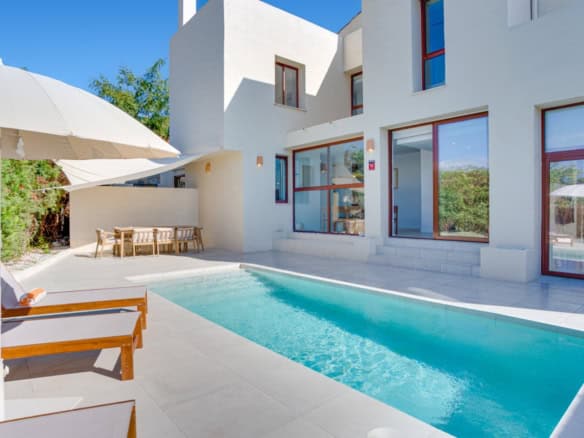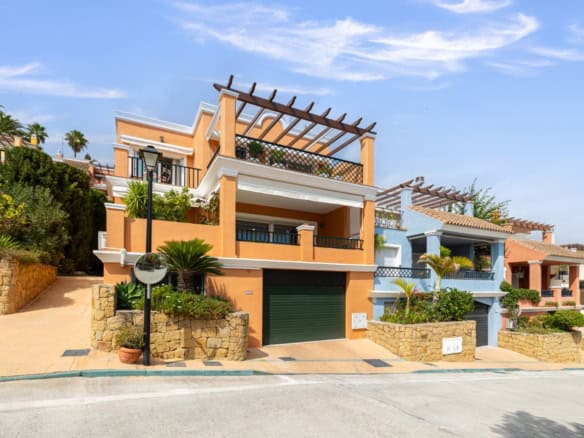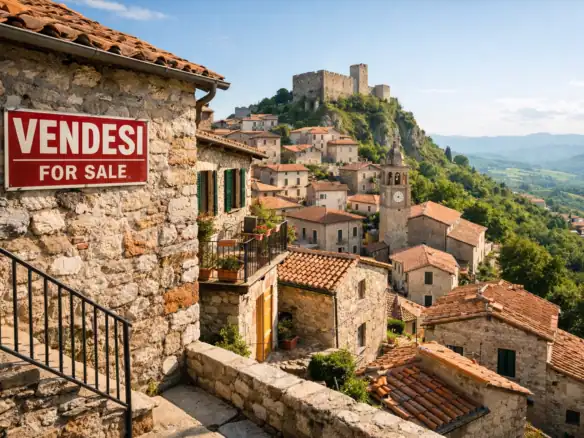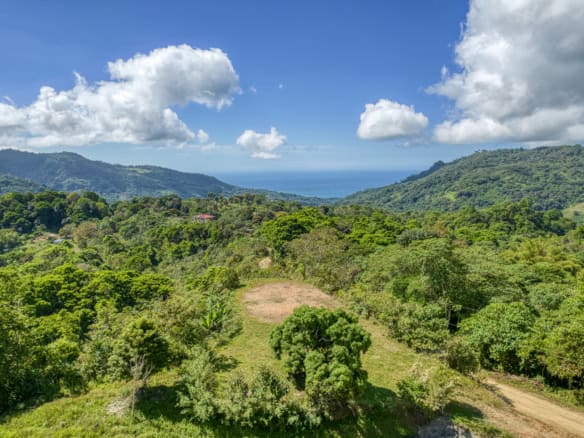
If you have been tracking the Spanish property market lately, you’ve likely noticed a disconnect between the headlines and the reality on the ground. For years, the narrative was about recovery and steady growth. But as we move through 2026, the conversation has shifted. We aren’t just talking about growth anymore; we are talking about a structural supply crisis that is fundamentally reshaping how people buy property abroad.
I’ve spent a lot of time looking at the numbers from the start of this year, and the data is clear. Spain is currently facing a massive shortage of housing: somewhere in the region of 600,000 to 700,000 units. While demand remains high from both local buyers and international investors, the machinery required to build new homes has stalled. This isn’t a speculative bubble driven by easy credit like we saw in 2008; it’s a simple case of not having enough roofs to cover the people who want them.
In this post, I want to break down exactly what is happening with prices, where the supply gap is hitting hardest, and what this means for anyone looking at homes for sale in Spain this year.
The 2026 Price Forecast: Why the Curve Is Climbing
One of the most frequent questions I get is whether prices are going to drop. According to the latest forecasts from BBVA Research and S&P Global, the answer is a firm no. These institutions are currently projecting price increases of between 7% and 9.3% for the 2026 calendar year.
While we saw some moderation in late 2025, the underlying pressure from the supply deficit has pushed growth back into high single digits. When you look at the national averages, we are seeing prices sit between €2,100 and €2,300 per square meter. However, these national averages can be incredibly misleading because the market has split into two very different speeds.
On one hand, you have the major metropolitan hubs and coastal hotspots. In cities like Madrid and Barcelona, and across the luxury stretches of the Costa del Sol, prices are routinely hitting between €4,000 and €6,000 per square meter. On the other hand, there is a massive shift happening in the “Empty Spain” regions: the inland areas that used to be overlooked.

The Structural Supply Deficit: A 600,000-Home Hole
The most significant driver of the current market is the housing deficit. Spain needs approximately 150,000 to 200,000 new homes every year just to keep pace with new household formation and the influx of international buyers. Currently, the construction industry is only delivering about 100,000 units per year.
That 40% shortfall has been compounding for several years, leading to a cumulative gap of over 600,000 homes. The reasons for this are structural:
- Regulatory Barriers: Planning permissions and land reclassification in Spain remain notoriously slow, often taking years to move from a proposal to a finished structure.
- Labor Shortages: There is a severe lack of skilled labor in the construction sector. As the older generation of builders retires, there aren’t enough young professionals entering the trades to meet the demand.
- Cost of Materials: While global inflation has cooled slightly, the cost of specialized building materials remains high, making it difficult for developers to launch “affordable” projects.
Because of this, most of the transaction volume we see on HomesGoFast.com is now concentrated in the resale market. New builds are becoming a luxury product, with the average price of a new-construction home now exceeding €305,000.
The Rural Surge: Andalusian Villages Are Booming
Perhaps the most surprising trend of 2026 is what is happening in the countryside. For decades, the trend was “urbanization”: everyone moving to the coast or the big cities. But the high prices in those hotspots have forced buyers to look further inland.
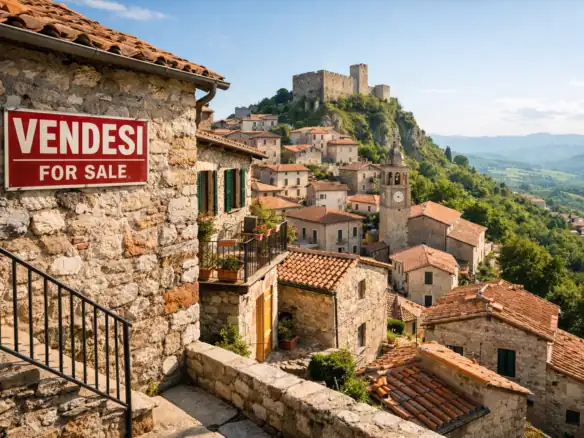
Inland rural areas, particularly traditional Andalusian villages, are seeing price surges of 20% to 30%. This isn’t just about locals looking for cheaper rent; it’s a lifestyle shift. Many overseas buyers who previously sought overseas property for sale on the coast are realizing they can get a refurbished townhouse in a white-washed village for a fraction of the cost of a coastal villa.
These inland areas offer a different value proposition. While you aren’t walking to the beach, you are getting more square footage, lower property taxes, and a significantly lower cost of living. For remote workers and retirees, the trade-off is becoming increasingly attractive.

Coastal Hotspots and the Price of Popularity
If you are looking at the traditional heavy hitters: Marbella, Ibiza, or Barcelona: the market remains incredibly tight. In these areas, the supply gap isn’t just about construction; it’s about a total lack of available land.
- Madrid and Barcelona: These cities remain the engines of the Spanish economy. Even with higher interest rates, the demand for housing here is insatiable. We’ve seen growth remain robust because these markets aren’t just sensitive to local wages; they are global investment hubs.
- The Islands: Mallorca and Ibiza have seen such extreme price growth that affordability has become a major political issue. Interestingly, there are some shifts in the Balearics; you might want to check out our recent report on Mallorca becoming more affordable to see how those specific dynamics are playing out.
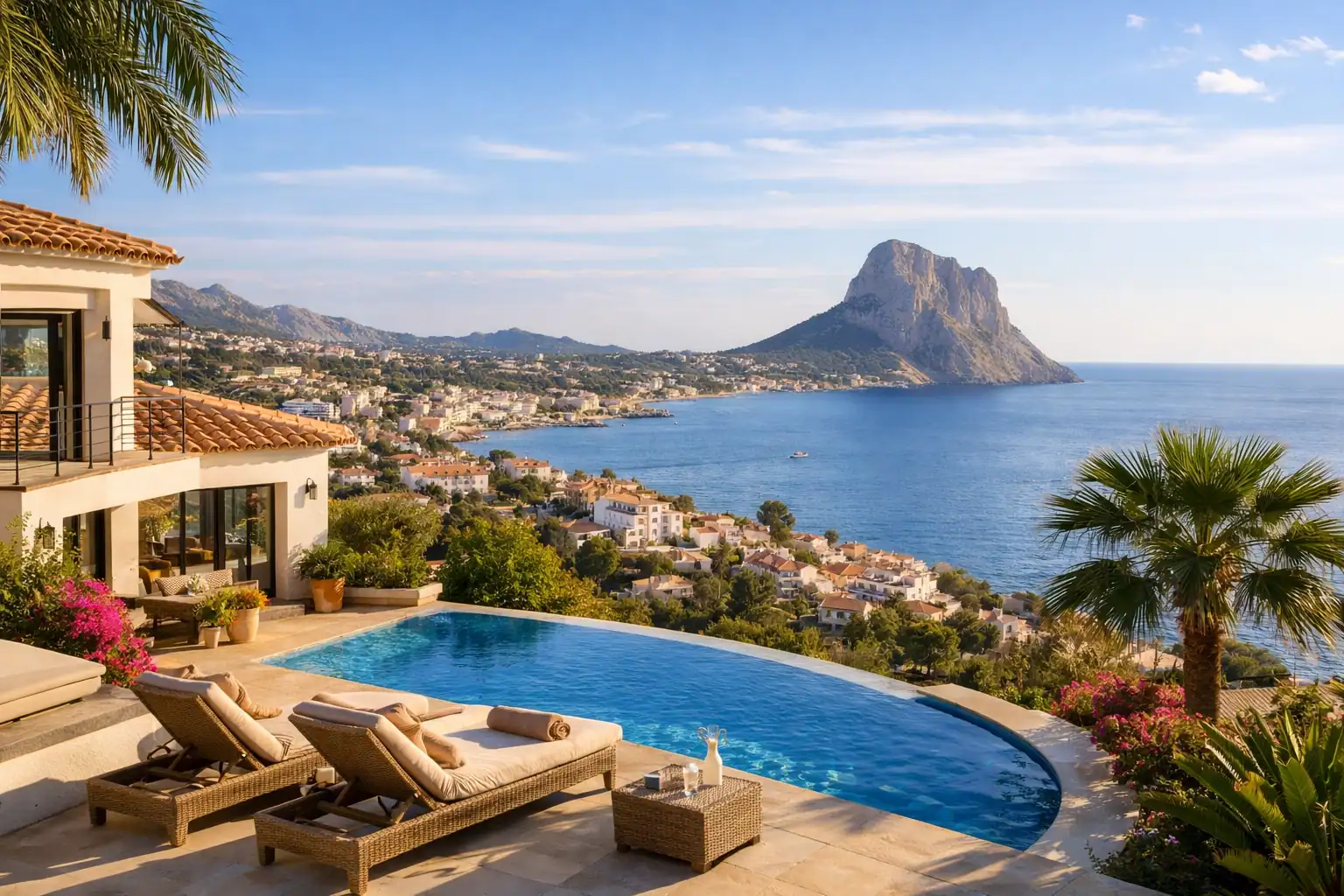
- Costa del Sol: This remains the primary destination for those looking for homes for sale in Spain. The market here has moved toward high-end, sustainable luxury developments. If it isn’t “eco-friendly” or “smart-home enabled,” it’s staying on the market longer.

Financing and Mortgages in 2026
The financial side of the market has stabilized, but it’s more expensive than it was five years ago. The average mortgage amount in Spain is now projected to reach €224,000 this year.
Spanish banks have remained relatively conservative, which is a good thing for the long-term health of the market. They are generally requiring a 20% to 30% deposit for non-residents. While mortgage products are competitive, the criteria for approval are strict. Buyers need to be prepared with a clear paper trail of their income and assets.
Despite the higher costs, the demand for property listing portals remains high. Buyers are realizing that while borrowing costs more, the appreciation of the asset (the 7-9% annual growth) effectively offsets the interest rate for those looking at a 5-to-10-year horizon.
Resale vs. New Build: Where Is the Value?
When you are browsing property-sitemap4.xml, you have to decide between the premium of a new build and the potential of a resale.
New Construction:
- Average Price: >€305,000.
- Pros: Energy efficiency, modern layouts, 10-year warranties.
- Cons: Higher VAT (10%), long wait times, limited locations.
Resale Properties:
- Average Price: >€204,000.
- Pros: Established neighborhoods, immediate availability, room for negotiation.
- Cons: Potential renovation costs, lower energy efficiency, higher transfer tax (ITP) in some regions.
For most buyers in 2026, the resale market is the only place where “value” still exists. A well-located resale property that needs a cosmetic refresh: new floors, updated kitchen, fresh paint: often yields a much higher return on investment than buying a top-of-the-market new build.

What Happens Next?
Looking ahead to the rest of 2026 and into 2027, the market shows no signs of a significant correction. Until the structural issues: labor shortages and land regulation: are addressed, the supply gap will continue to prop up prices.
If you are a buyer, my advice is to stop waiting for a “crash” that isn’t supported by the data. Instead, focus on finding markets that are still in the early stages of their growth cycle, such as the inland villages or the secondary coastal cities like Almería or parts of the Costa Blanca North.
The Spanish market is maturing. It’s moving away from the “cheap holiday home” era and into a phase where it is a serious, high-demand European real estate powerhouse. Navigating it requires a bit more data and a bit more patience than it used to, but the fundamentals of why people want to be here: the climate, the infrastructure, and the quality of life: haven’t changed.
If you’re ready to start your search, you can explore our latest listings through our property country sitemap or check out the latest market news for more regional breakdowns.