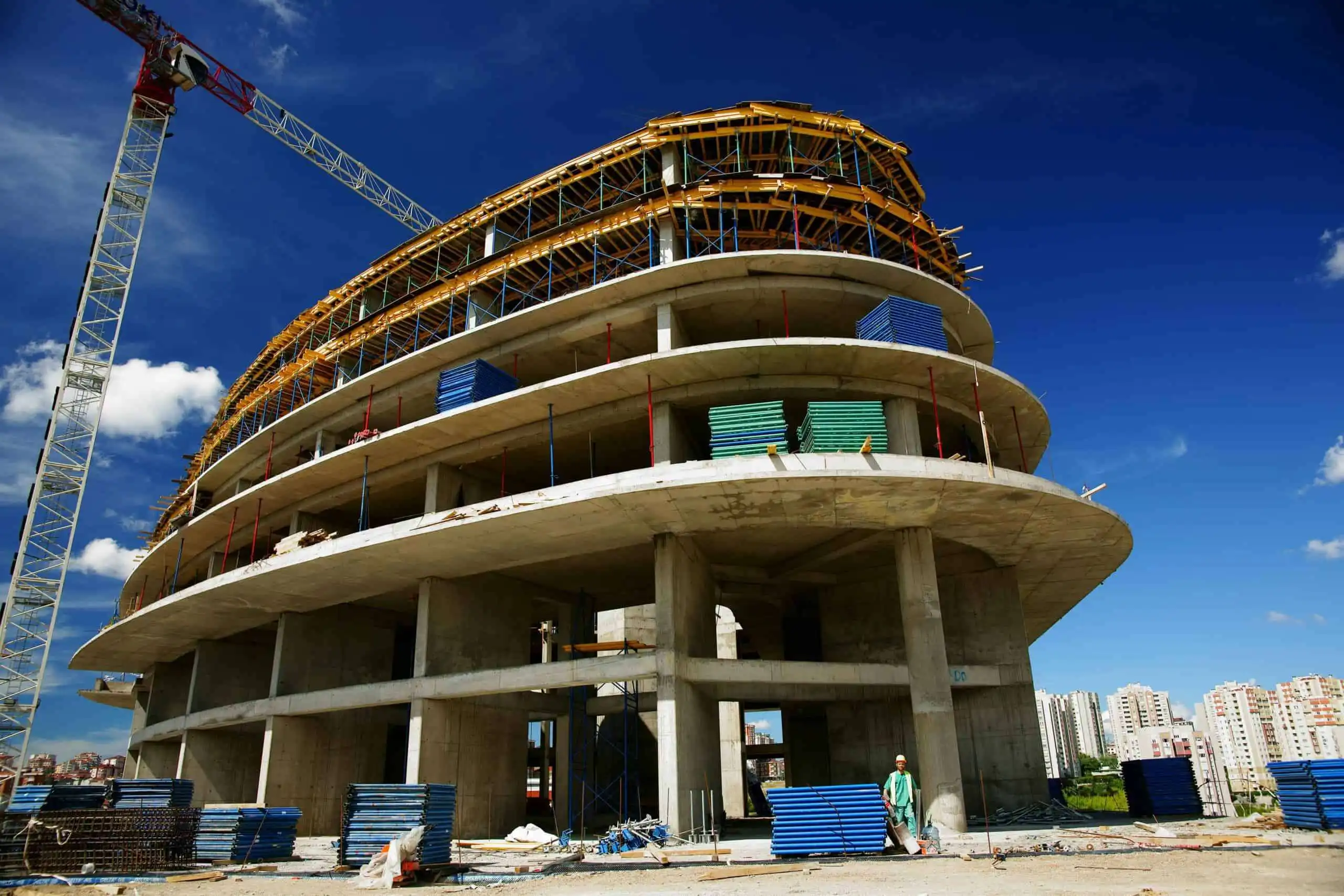
Spend a day around an active construction project and you start realizing how much is happening that never makes it into project brochures. People notice the excavators first. Then the concrete trucks. Maybe the steel goes vertical if it’s a big build.
But there’s always another layer moving quietly underneath all that motion — inspectors walking grades, checking forms, reviewing measurements, pausing to study something that looks slightly off.
Construction engineering inspection lives in that quiet layer. It doesn’t build the project, but it makes sure the project deserves to be built the way it is. And in modern infrastructure work, that distinction matters more than ever.
Inspection Isn’t a Formality Anymore
Years ago, inspection had a reputation for being reactive — something that happened near the end, once most of the physical work was already done. If issues showed up, teams dealt with them then. That approach doesn’t hold up today.
Projects move faster now. Budgets are tighter. Regulations are more complex. A mistake caught late can derail schedules or multiply costs overnight. So inspection starts early — often before ground is even broken.
Inspectors review drawings, staging plans, environmental commitments, and permit conditions at the front end. They’re looking for friction points. Conflicts. Anything that might create field complications later.
The Ground Truth Begins With Measurement
Before inspectors can verify quality, they need certainty about the site itself. That certainty comes from accurate spatial data — elevations, boundaries, alignments. This is where professional land surveying services step in during the earliest stretch of a project timeline.
Survey teams establish control points that become the project’s physical reference system. They define property extents, map terrain behavior, and create the elevation benchmarks inspectors rely on when verifying grading or structural placement. Without that baseline, inspection becomes subjective.
What’s changed in recent years is how sophisticated surveying has become. Drone flights now capture aerial mapping data in hours instead of weeks. LiDAR scanning records terrain with millimeter precision. GPS-integrated systems allow real-time positional verification.
Inspection Moves With the Project, Not After It
Construction engineering inspection doesn’t sit in one phase. It travels with the job from beginning to end. Pre-construction reviews set expectations. Inspectors study specifications and sequencing plans so they know what compliance should look like before crews mobilize.
Once earthwork begins, attention turns to soil behavior. Compaction levels, moisture conditioning, lift thickness — details that seem minor but dictate long-term pavement performance. If the ground fails, everything above it follows.
Utility installation introduces a new inspection dimension. Underground systems are unforgiving once buried. Inspectors verify pipe slope, trench preparation, joint sealing, and pressure integrity before backfill covers the work.
Structural phases shift focus again. Concrete pours get monitored for placement consistency and curing conditions. Reinforcement spacing gets measured. Asphalt density readings confirm compaction targets.
The Instinct Factor in Field Inspection
Technology has changed inspection dramatically, but experience still drives judgment.
Veteran inspectors develop what many describe as “site instinct.” They notice when crews rush formwork. They spot inconsistent finishing patterns. They recognize when compaction passes look uneven. It’s observational intelligence built from repetition.
You can’t automate that entirely. An inspector might pause at a pour not because data says something is wrong — but because visually, it doesn’t feel right. And often, deeper testing confirms the instinct. That human layer remains one of inspection’s strongest safeguards.
Documentation Is the Project’s Memory
Inspection without documentation is just conversation.
Daily reports form the written backbone of construction oversight. Inspectors log workforce levels, installed quantities, delivered materials, and testing results as work unfolds.
Weather conditions get recorded because they affect curing and compaction. Site delays get noted because they influence sequencing. Photos add context that words can’t fully capture. Drone imagery adds scale — showing grading progress or drainage flow patterns from above.
Over time, these records form a chronological story of the project. If disputes arise later — and they sometimes do — inspection documentation often becomes the most trusted reference point available.
Standards Shape Every Decision
Inspection isn’t guided by preference. It’s governed by standards.
Transportation work follows Department of Transportation specifications. Municipal infrastructure aligns with local public works codes. Environmental regulations dictate erosion controls and stormwater protections. Material performance gets evaluated against nationally recognized testing benchmarks.
Inspectors operate inside these frameworks daily, translating written specifications into field verification. It’s less about enforcing rules and more about ensuring infrastructure performs the way communities depend on it to.
Collaboration Happens Constantly — Even If You Don’t See It
Inspection might look solitary from the outside — one person walking a grade rod line or reviewing formwork. But behind that field presence is constant collaboration.
Surveyors verify measurement accuracy. Engineers clarify design tolerances. Environmental specialists confirm ecological compliance. GIS teams manage spatial datasets that inspectors reference. It’s a networked effort.
When inspectors flag issues, that information moves quickly across disciplines so corrections happen before delays compound.
Technology Has Expanded the Inspector’s Field of Vision
Not long ago, inspectors evaluated projects almost entirely from ground level.
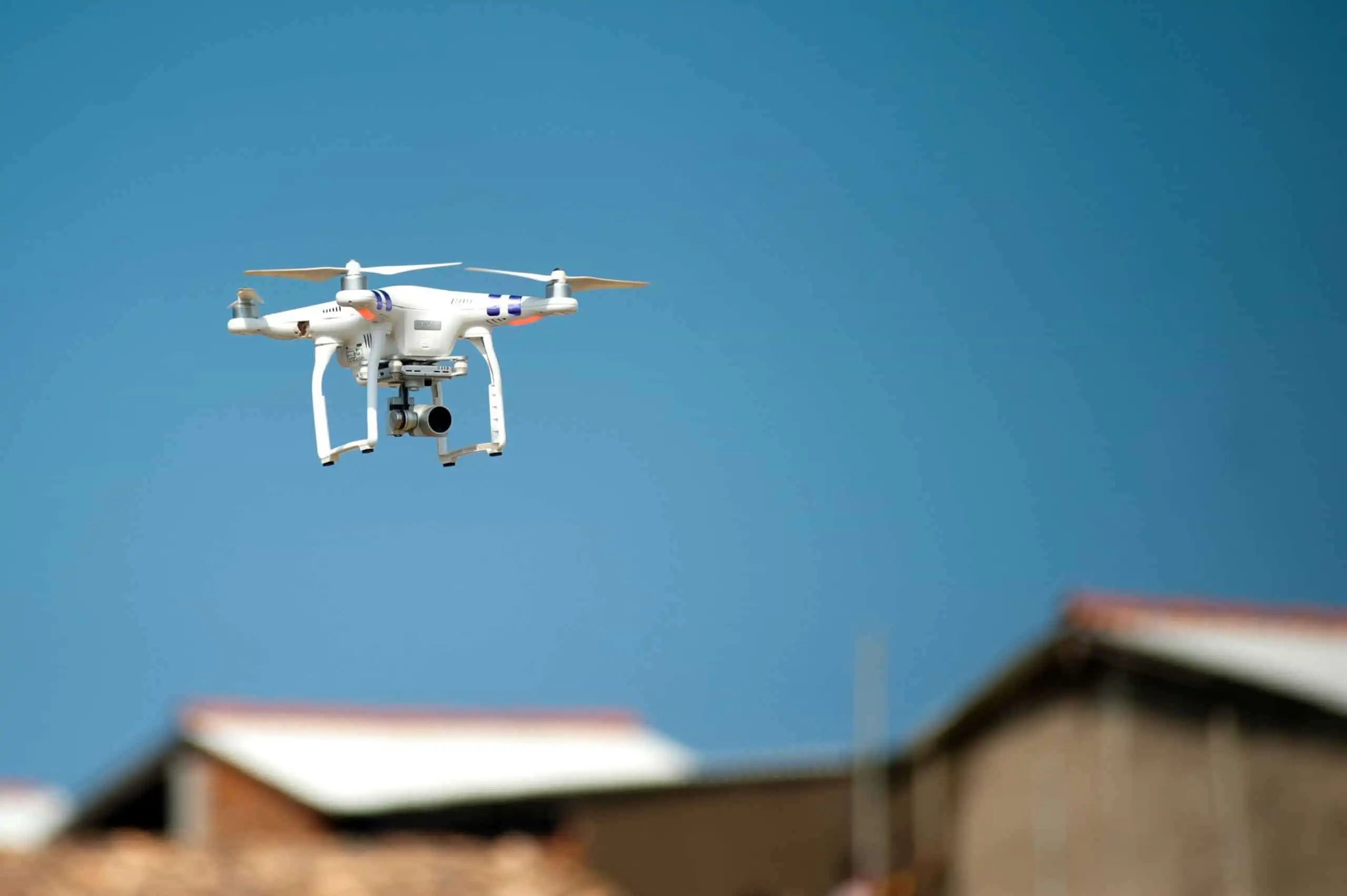
Today, aerial drones map site progress weekly. LiDAR systems generate 3D construction replicas. GIS dashboards layer environmental, structural, and survey data into unified visual platforms.
Inspectors can measure slope performance, detect grading deviations, and evaluate drainage flow without stepping into hazardous zones. Technology hasn’t replaced site walks — it’s widened perspective.
Inspectors now see projects both from the ground and from above, in physical and digital form simultaneously.
Environmental Oversight Has Become Central
Modern inspection extends beyond structural verification into environmental accountability. Inspectors monitor erosion barriers, sediment controls, and protected habitat buffers. They verify stormwater systems function as permitted.
Large infrastructure corridors often pass through sensitive ecological zones, making compliance monitoring critical. Aerial imaging helps track environmental adherence over time, ensuring sustainability commitments aren’t just written into permits but implemented in the field.
Expertise Behind the Role
Construction engineering inspectors rarely come from a single technical background.
Many hold certifications in materials testing, transportation inspection, and occupational safety. Others specialize in surveying technology or drone operations.
This blended expertise reflects how inspection now bridges physical construction and digital verification. It’s both field craft and technical science.
Closing Perspective
Construction engineering inspection rarely gets public recognition, yet it underwrites the reliability of everything we build.
It ensures roads hold under traffic loads. Bridges perform under stress. Utilities function beneath the surface without failure.
From the earliest survey benchmarks to the final compliance sign-off, inspectors operate as the quiet assurance layer between engineering vision and built reality.
And while most people will never notice their presence on a job site, the long-term safety of the infrastructure they use every day depends on the work inspectors do — methodically, observantly, and often without fanfare.