

The dream of owning property abroad is no longer just about a holiday home; in 2026, it’s a strategic move for residency and wealth preservation. With nearly 100,000 foreign transactions in Spain last year and Dubai issuing over 167,000 Golden Visas, the demand for international assets is hitting record highs. Identifying the best countries to target for overseas property buyers requires a sharp eye for markets that balance lifestyle perks with sound financial logic.
You’re likely aware that the global market feels more complex than ever, with shifting taxes in Portugal and tiered Golden Visas in Greece making the “right” choice harder to spot. Investors are attracted by the promise of high ROI, yet the fear of legal pitfalls often stalls the process. Buyers are increasingly looking for transparency and efficiency when they browse international property listings to find their next investment.
This guide identifies the top markets for 2026, cutting through the noise of currency volatility and legal jargon. We’ll break down the latest residency rules in the UAE, tax shifts in Spain, and high-yield opportunities in Turkey to help you secure a stable international asset. By comparing overseas property for sale through a professional lens, you can move from uncertainty to a confident purchase.
- Understand how global nomad trends are driving rental demand in post-inflationary international markets.
- Identify the best countries to target for overseas property buyers by applying five essential investment metrics for 2026.
- Explore top-tier opportunities in Spain and Greece that balance Mediterranean lifestyle appeal with resilient capital growth.
- Compare residency pathways, including the latest Golden Visa updates and digital nomad options, to secure your strategic future.
- Learn a reliable method for vetting international listings and agents to ensure your cross-border transaction is efficient and secure.
The Global Real Estate Landscape in 2026: Why Now?
Entering 2026, the international property market has moved past the volatility of the early 2020s. We’re seeing a stabilization in global interest rates and a renewed focus on long-term capital preservation. This environment creates a prime window for anyone researching the best countries to target for overseas property buyers. The global real estate landscape is shifting from speculative gains toward sustainable rental yields and lifestyle security.
The rise of the “Global Nomad” has fundamentally altered demand. These professionals don’t just want a vacation spot; they need high-speed connectivity and functional living spaces in locations that offer a high quality of life. This shift means you’re no longer just buying a holiday home. You’re acquiring a multi-functional asset that can generate consistent income year-round.
To better understand how these shifts impact your investment strategy, watch this breakdown of top markets:
Currency-savvy investors are moving now to lock in prices before the next major growth cycle. In 2026, the focus is on efficiency and transparency. Buyers are increasingly looking for markets where the buying process is streamlined and the legal framework is clear. This year represents a unique entry point where supply is meeting a more sophisticated, mobile class of international buyer.
Emerging Market Trends You Cannot Ignore
- Sustainability: Eco-certified properties are seeing higher resale values. Investors are attracted by “green” buildings that lower long-term holding costs.
- Infrastructure: Major projects, like new high-speed rail links or airport expansions, are creating new “hot zones” outside of traditional city centers.
- Digitization: The impact of digitized land registries has been massive. It reduces the stress of cross-border transactions by providing instant, verifiable proof of ownership.
Why Investors Are Looking Beyond Traditional Hubs
Saturation in major capitals is driving capital toward secondary regional markets. While cities like Madrid or Athens remain popular, savvy buyers are exploring coastal or inland regions where the entry price is lower and the potential for capital growth is higher. The search for “Safe Haven” jurisdictions is also a major factor. Buyers want locations that offer geopolitical neutrality and stable residency pathways.
Ultimately, global market trends dictate the flow of foreign capital. Right now, that flow is moving toward regions with high infrastructure investment and flexible visa options. Identifying the best countries to target for overseas property buyers means looking where the next decade of growth is being built today. It’s about finding that perfect balance between a dream lifestyle and a sound financial decision.
The Strategic Buyer’s Framework: 5 Metrics for Success
Identifying the best countries to target for overseas property buyers involves more than just a love for the local climate. It’s about data. Using a strategic buyer’s framework allows you to strip away emotion and focus on the metrics that drive long-term value. This analytical approach helps you avoid the common trap of buying based on holiday memories rather than investment logic.
- Net Rental Yield: This is your actual profit after management fees, maintenance, and non-resident taxes.
- Capital Growth Potential: Look for markets entering a five-year growth cycle, often driven by new infrastructure.
- Legal Transparency: You need clear foreign ownership rights and a reliable land registry to protect your asset.
- Accessibility: Properties within 90 minutes of an international airport generally see higher demand and faster appreciation.
- Exit Strategy: Consider the liquidity of the local market. How easy is it to sell your property in five or ten years?
Calculating Real ROI Abroad
Gross yields are often a vanity metric. Buyers are increasingly looking for net figures that reflect the actual cash flow. You must factor in local property management, which can cost 10% to 15% of your rental income, and non-resident taxes. For instance, non-EU residents renting out Spanish property are taxed at 24% on gross income with no deductions. Currency hedging is another vital tool. It protects your purchase power if the local currency fluctuates against your home currency. Don’t forget that typical closing costs range from 7% to 12% of the purchase price, which impacts your initial break-even point.
Navigating Foreign Ownership Regulations
Ownership rules aren’t universal. You need to distinguish between freehold and leasehold jurisdictions, as this affects your long-term rights. In some countries, foreigners face restrictions on purchasing agricultural or coastal land for security reasons. Investors are attracted by regions with transparent legal frameworks and digital land registries that offer verifiable proof of ownership. Always hire an independent legal representative who isn’t connected to the developer or the agent. This ensures your interests remain the priority throughout the transaction.
If you’re ready to see how these metrics apply to current market data, you can browse international property listings to compare entry prices and potential yields in real-time.
Top 5 Countries to Target for Overseas Property in 2026
Choosing the right market in 2026 requires a balance between lifestyle aspirations and cold financial logic. The best countries to target for overseas property buyers are those that have adapted to new economic realities by offering clear residency pathways or tax incentives. Investors are attracted by markets that provide not just a home, but a secure gateway to a new region.
You’ll find that the most resilient markets this year are those with diversified economies and strong infrastructure. Whether you’re looking for a high-yield urban apartment or a coastal retreat, these five destinations stand out for their stability and growth potential. You can explore current opportunities across these regions by browsing international real estate listings on our platform.
Spain and Greece: The Mediterranean Giants
Spain remains a top contender due to its mature market and diverse regional offerings. Buyers are increasingly looking for value in areas like Valencia, which reduced its Property Transfer Tax (ITP) to 9% in June 2026. While non-EU residents face a 24% tax on gross rental income, the sheer volume of nearly 100,000 foreign transactions last year proves the enduring demand for property for sale in Spain.
Greece is currently capitalizing on the massive “Athens Riviera” redevelopment, creating a new luxury hub in Europe. The Golden Visa program now uses a tiered system, with an €800,000 threshold for high-demand areas like Athens and Mykonos, while other regions remain at €400,000. Many Greek homes for sale are restricted to long-term rentals under this program, making them ideal for investors seeking stable, year-round tenants rather than seasonal tourists.
Italy and Panama: Value Meets Opportunity
Italy continues to surprise investors with its regional diversity. Beyond the famous €1 home schemes, savvy buyers are targeting Abruzzo and Puglia for high-quality villas at a fraction of Tuscan prices. The demand for Italian homes for sale is driven by a desire for authentic culture paired with improving digital infrastructure for remote workers.
Panama has emerged as the “Singapore of the Americas,” offering US Dollar stability and a highly favorable tax environment. It’s a rising star for those seeking a safe haven outside of Europe. The country’s territorial tax system means you only pay tax on income earned within Panama, which is a significant draw for global entrepreneurs and retirees.
Portugal: The Post-NHR Landscape
Portugal has shifted its focus toward high-value acquisitions and tax residency clarity. While the real estate path for the Golden Visa is gone, the country has introduced a flat 7.5% Property Transfer Tax (IMT) for non-resident buyers of residential property. This replaces the old progressive scale, providing much-needed transparency for your closing cost calculations. It remains one of the best countries to target for overseas property buyers who prioritize safety and a high standard of living within the EU.
If you’re planning to enter these competitive markets, the first step is to see what’s available. You can enquire about properties directly through our global network to get the most current market data.

Residency, Visas, and the “Golden” Opportunity
Buying property abroad is often about more than just square footage; it’s about securing a “Plan B” or a new lifestyle. The best countries to target for overseas property buyers in 2026 are those that have streamlined the link between real estate and residency. While some programs have tightened, others have become more flexible, creating a competitive environment for your capital.
Investors are attracted by the dual benefit of a tangible asset and a legal foothold in a stable jurisdiction. Whether you’re looking for a 10-year Golden Visa in Dubai or a path to EU residency, the legal framework is just as vital as the property’s location. Digital Nomad Visas have also emerged as a low-friction way to “test drive” a market for a year or two before committing to a full purchase.
The New Era of Residency by Investment
Residency thresholds have become more nuanced. In Greece, you’ll now find a tiered system where high-demand areas like Athens and Santorini require an €800,000 investment, while other regions sit at €400,000. Turkey remains a strong “Safe Haven” contender, offering citizenship for a $400,000 investment, provided you hold the property for three years. Meanwhile, the UAE has removed minimum down payment requirements for its AED 2 million Golden Visa application, making it easier to leverage your purchase.
- Resale Value: Properties that qualify for residency programs often command a premium and maintain higher liquidity.
- Passive Income Visas: These are ideal if you have a stable remote income and want to live in a country without the high entry cost of a Golden Visa.
- Processing Times: Expect a 6 to 9-month wait in Greece or 6 to 12 months in Turkey for your application to clear.
Managing Your International Tax Liability
Tax residency is where many buyers get caught out. You must understand the local Capital Gains Tax (CGT) and how it interacts with your home country’s laws. For example, non-EU residents in Spain face a flat 24% CGT when they sell. Portugal has simplified things for non-residents with a flat 7.5% IMT (Property Transfer Tax), but annual municipal taxes still apply. It’s essential to check for reciprocal tax treaties to avoid being taxed twice on the same rental income.
To navigate these complex financial terms, you should consult our glossary on global trends for clear definitions of international tax terminology. Buyers are increasingly looking for markets with transparent tax rules to ensure their “dream home” doesn’t become a fiscal burden. Getting professional advice early can save you thousands in unforeseen closing costs and annual levies.
If you’re ready to explore markets that offer the best balance of residency and ROI, you can browse international property listings to see which locations fit your strategic goals.
How to Find and Secure Your Dream Property Overseas
Identifying the best countries to target for overseas property buyers is only the first step. Success in 2026 lies in your ability to navigate the local buying process with efficiency and confidence. The speed of the international market means that being prepared with a clear search strategy and a trusted network of professionals is the difference between securing a high-growth asset and missing out on a prime opportunity.
Using Technology to Shorten Your Search
Technology has shortened the distance between you and your next investment. Investors are attracted by the ability to set up real-time alerts for overseas property, allowing them to act before listings become saturated. Virtual tours and high-resolution drone footage provide a strong initial filter, but you should still hire an independent local inspector to provide a structural report. Using international property listings that facilitate direct communication with sellers and agents is invaluable for getting quick answers on property history and local demand.
Due diligence is your primary shield against legal pitfalls. You must verify that the title deed is clear of any historic debts or liens. In many jurisdictions, debts follow the property, not the owner. Your legal representative should confirm that all building permits are in order, especially for coastal properties where environmental regulations are strict. Buyers are increasingly looking for comprehensive title insurance as an extra layer of security when purchasing in foreign jurisdictions.
Final Steps: Securing the Transaction
The final hurdle is the financial transfer. Currency volatility can significantly impact your purchase power; consider using a specialized foreign exchange broker rather than a retail bank to lock in favorable rates. You’ll also need to obtain a local tax identification number and open a local bank account to handle utility payments and rental receipts. These steps are essential for the long-term management of your asset.
Negotiation is an art that changes by border. While some markets expect a 5% to 10% discount, others move at fixed prices with little room for movement. Once the deal closes, focus on making the property “rental-ready” by ensuring high-speed internet and modern amenities are in place. This will help you attract the global nomad demographic and start seeing your ROI immediately. If you’re ready to start your journey, you can enquire about properties across our global network today to find the perfect match for your portfolio.
Secure Your Strategic Global Asset
The international property market in 2026 offers unique advantages for those who look beyond traditional holiday homes. You’ve seen how the rise of the global nomad and shifting residency thresholds in the Mediterranean are reshaping the landscape. By applying a rigorous framework to rental yields and legal transparency, you can move past the stress of cross-border transactions and focus on long-term wealth preservation.
Identifying the best countries to target for overseas property buyers is just the beginning of your journey. Whether you’re attracted by the tax efficiency of Panama or the resilient growth of the Spanish coast, the key is to leverage professional tools that simplify the search. Success in this market requires a blend of lifestyle aspiration and cold financial logic.
HomesGoFast has acted as a savvy mentor for buyers since 2002. With access to listings in over 50 countries and expert resources for both FSBO sellers and professional agents, we make the global market accessible. It’s time to turn your international aspirations into a sound financial reality.
Browse thousands of international real estate listings on HomesGoFast
Frequently Asked Questions
Which country has the lowest property taxes for foreign buyers in 2026?
The UAE and Panama are leaders for tax efficiency this year. Dubai has no annual property taxes, though you’ll pay a one-time 4% transfer fee at the time of purchase. Panama’s territorial tax system ensures you aren’t taxed on foreign income. These regions are often cited as the best countries to target for overseas property buyers who want to maximize net rental yields by minimizing ongoing holding costs.
Can I get a mortgage for an overseas property as a non-resident?
You can obtain a mortgage as a non-resident in most major markets, but the terms differ from local deals. Lenders typically require a higher down payment, often between 30% and 40% of the property value. You’ll need to provide proof of income, tax returns, and bank statements from your home country. It’s vital to factor in the impact of interest rate differences and potential currency fluctuations on your monthly repayments.
What are the easiest countries to buy property in as a foreigner?
The UAE and Spain are the easiest for foreign buyers due to their highly digitized and transparent processes. In Dubai, many transactions can be completed remotely through secure government portals. Turkey also offers a streamlined path, with citizenship applications often processed within 6 to 12 months. These markets have established legal frameworks that reduce the stress of cross-border transactions, making them top choices for first-time international investors.
How does the Golden Visa programme work in 2026?
In 2026, Golden Visa programs use tiered investment thresholds to balance foreign capital with local housing needs. These programs grant residency rights in exchange for a qualifying real estate investment, often leading to permanent residency or citizenship. It’s a strategic way to secure a “Safe Haven” while growing your global real estate portfolio. Thresholds vary significantly by region, so checking the latest requirements for your target country is essential before committing funds.
Is it better to buy a new build or a resale property abroad?
New builds offer modern energy standards and developer warranties, which can lower your long-term maintenance costs. However, resale properties often provide better locations in established neighborhoods and more room for price negotiation. If you’re looking for immediate rental income, a resale property is often the faster route. Conversely, off-plan new builds in growing hubs can offer significant capital appreciation by the time the project reaches completion.
What are the hidden costs of buying property overseas?
Closing costs are the most significant “hidden” expense, typically ranging from 7% to 12% of the purchase price. These include notary fees, registration taxes, and legal costs. You should also budget for annual municipal taxes and community fees, which vary by region. Investors are attracted by markets with transparent fee structures, so always request a full cost breakdown before signing a contract to ensure you have the necessary liquid capital.
How do I protect my property investment from currency fluctuations?
You can protect your investment by using a specialized currency broker rather than a traditional retail bank. These experts offer “forward contracts” that allow you to lock in an exchange rate for a future date. This strategy is essential when identifying the best countries to target for overseas property buyers, as it removes the risk of your property becoming more expensive during the months it takes to finalize the deal.
Which countries offer the best rental yields for short-term holiday lets?
Coastal regions in Spain and urban hubs like Dubai currently offer some of the highest yields for short-term holiday lets. In Dubai, high occupancy rates driven by year-round tourism help investors achieve strong returns. Turkey also performs well in coastal tourist hotspots. Always check local regulations first, as some cities have restricted short-term rentals to protect local housing stock, which can shift your strategy toward more stable, long-term tenants.

Contemporary residence with panoramic views of the Vega and the Sierra Nevada
Hijar, Las Gabias, España Details
- €2,350,000
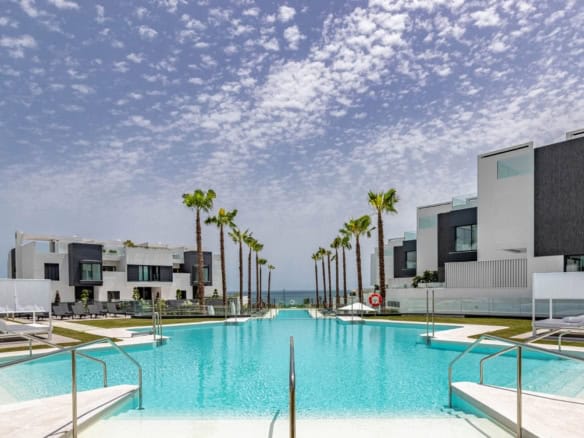
Estepona West Beachfront Deluxe Townhouse Estepona West
https://maps.app.goo.gl/AAxLfmCBScuunWSN9 Details
- €650,000

Luxury Beachfront Investment in Prestigious Dominion Beach
https://maps.app.goo.gl/XFUffLeo1kSHXYqv8 Details- €4,800,000

Contemporary Semi-Detached Villa with Rooftop Pool and Views – Vilas 6, Nueva Andalucía
https://maps.app.goo.gl/sNT8r9z8ipPzqX3R6 Details- €875,000
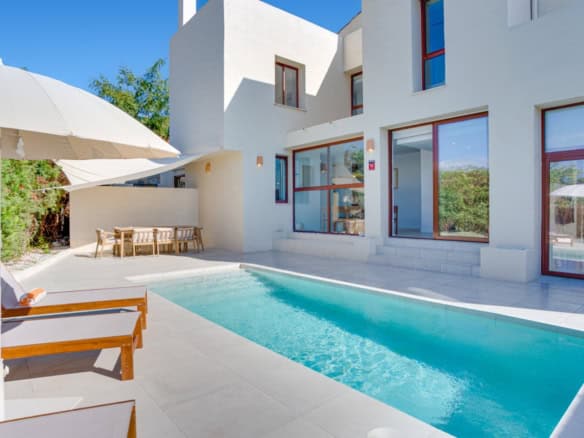
Stunning 5-Beds Corner Townhouse in Cancelada, Estepona
https://maps.app.goo.gl/hZQFNur2er7TLxQB9 Details- €950,000
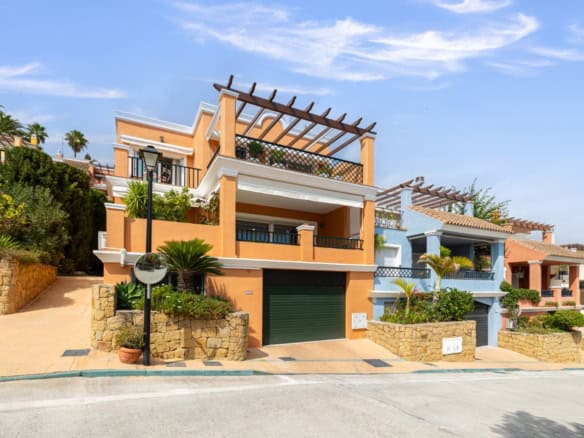
Refurbished Townhouse in Brisas del Sur, Nueva Andalucía
https://maps.app.goo.gl/Q9oFrajLbC2ofanD6 Details
Related posts