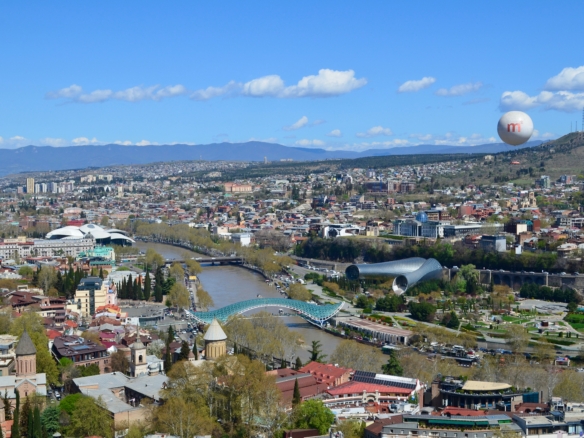
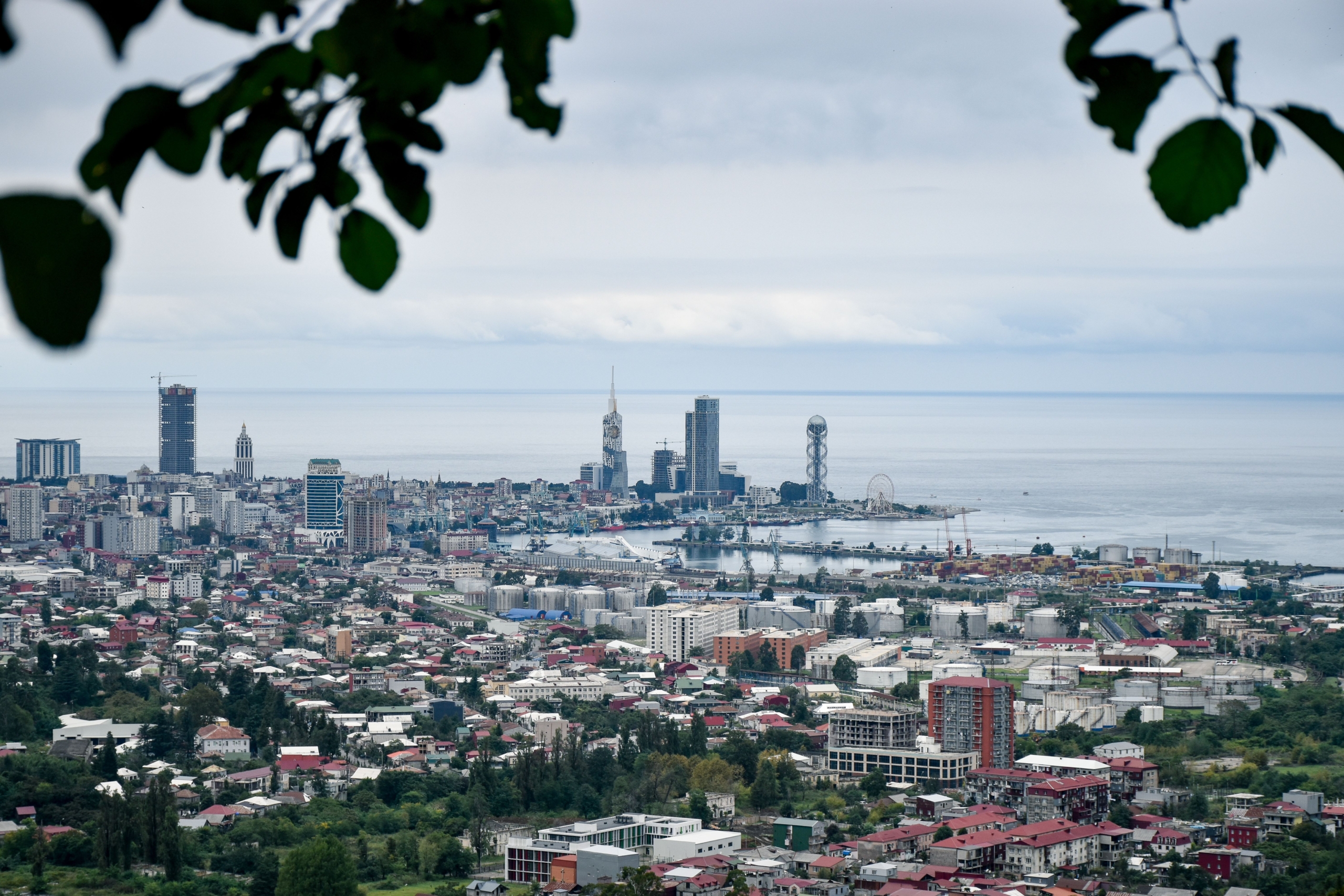
Batumi has emerged as one of the most closely watched property markets on the Black Sea. Once primarily known as a historic port, Georgia’s second-largest city has transformed into a fast-growing tourism, residential and investment destination, attracting buyers from Europe, Israel, Turkey, the Gulf and neighbouring countries.
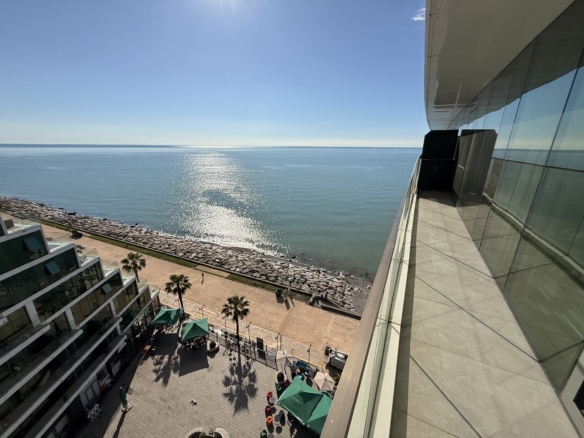
Modern apartment towers now stand alongside nineteenth-century architecture, while new developments continue to expand along the coast. Competitive property prices, international tourism and relatively straightforward ownership registration have helped Batumi gain attention from overseas investors.
However, this is not a market in which every sea-view apartment automatically represents a good investment. Considerable construction activity, seasonal rental demand and differences in developer quality mean buyers need to be selective.
From historic trading port to international property market
Batumi’s development has always been connected to its position on the Black Sea.
The city became part of the Russian Empire in 1878 and was granted porto-franco, or free-port, status until 1886. Its port and railway connections helped turn Batumi into an important international trading centre, with urban development initially spreading outwards from the harbour.
According to Georgia’s official tourism portal, the expansion of the port and the arrival of the railway during the nineteenth century significantly increased Batumi’s commercial influence and encouraged the construction of schools, factories, libraries and civic buildings. Georgia Travel and the Adjara tourism authority provide further information about the city’s history.
During the Soviet period, Batumi developed as both a working port and a seaside resort. Following Georgia’s independence in 1991—and particularly from the mid-2000s onwards—the city entered a new period of redevelopment. Hotels, casinos, residential towers, restaurants and public spaces reshaped the waterfront and established Batumi as Georgia’s main coastal destination.
This combination of commerce, tourism and residential growth continues to drive its property market today.
Batumi property market statistics
The latest available figures indicate that market activity strengthened during the first quarter of 2026.
According to market data attributed to Galt & Taggart and based on Public Registry transactions:
- Approximately 4,049 apartment sales were recorded in Batumi during the first quarter of 2026, an increase of 15.8% year-on-year.
- Primary-market transactions increased by an estimated 21.1%.
- Secondary-market transactions increased by 10.1%.
- The average price of a completed primary-market apartment reached approximately US$1,893 per square metre in March 2026, up 8.7% year-on-year.
- The average secondary-market price was approximately US$1,479 per square metre, up 7.8%.
- The estimated residential rental yield stood at approximately 7.1%.
The same report cautioned that the city still has substantial unsold supply and numerous projects under construction. This may restrict future price growth, particularly in developments that lack a strong location, experienced management or a clearly defined rental market. Read the Batumi Q1 2026 market summary.
The National Bank of Georgia’s 2025 Financial Stability Report provides an important note of caution. It reported that almost 40% of residential demand in Batumi came from non-residents as of June 2025. International demand is one of Batumi’s strengths, but it also makes the market more exposed to exchange rates, travel patterns, geopolitical developments and changes in overseas investor confidence.
Tourism remains a major property-market driver
Batumi’s investment appeal is closely connected to Georgia’s growing tourism economy.
According to the Georgian National Tourism Administration, Georgia received more than 6.1 million international traveller visits during the first nine months of 2025, an annual increase of 5.4%. International tourist visits rose by 7.9%, while international travel revenue reached approximately US$3.64 billion.
Batumi recorded an average branded-hotel occupancy rate of 73.2% during this period, ahead of Tbilisi at 59.7%. These figures demonstrate the strength of the city’s tourism sector, although short-term rental investors must still account for seasonal variations. Georgian Tourism Administration 2025 statistical report.
A property that performs strongly in July and August may experience much lower occupancy during the winter. Investors should therefore ask for monthly occupancy and achieved-rate figures rather than relying solely on an annual headline yield.
Where are the best places to buy in Batumi?
The right location depends on whether the buyer prioritises capital preservation, holiday rental income, long-term tenants or future growth.
Old Batumi
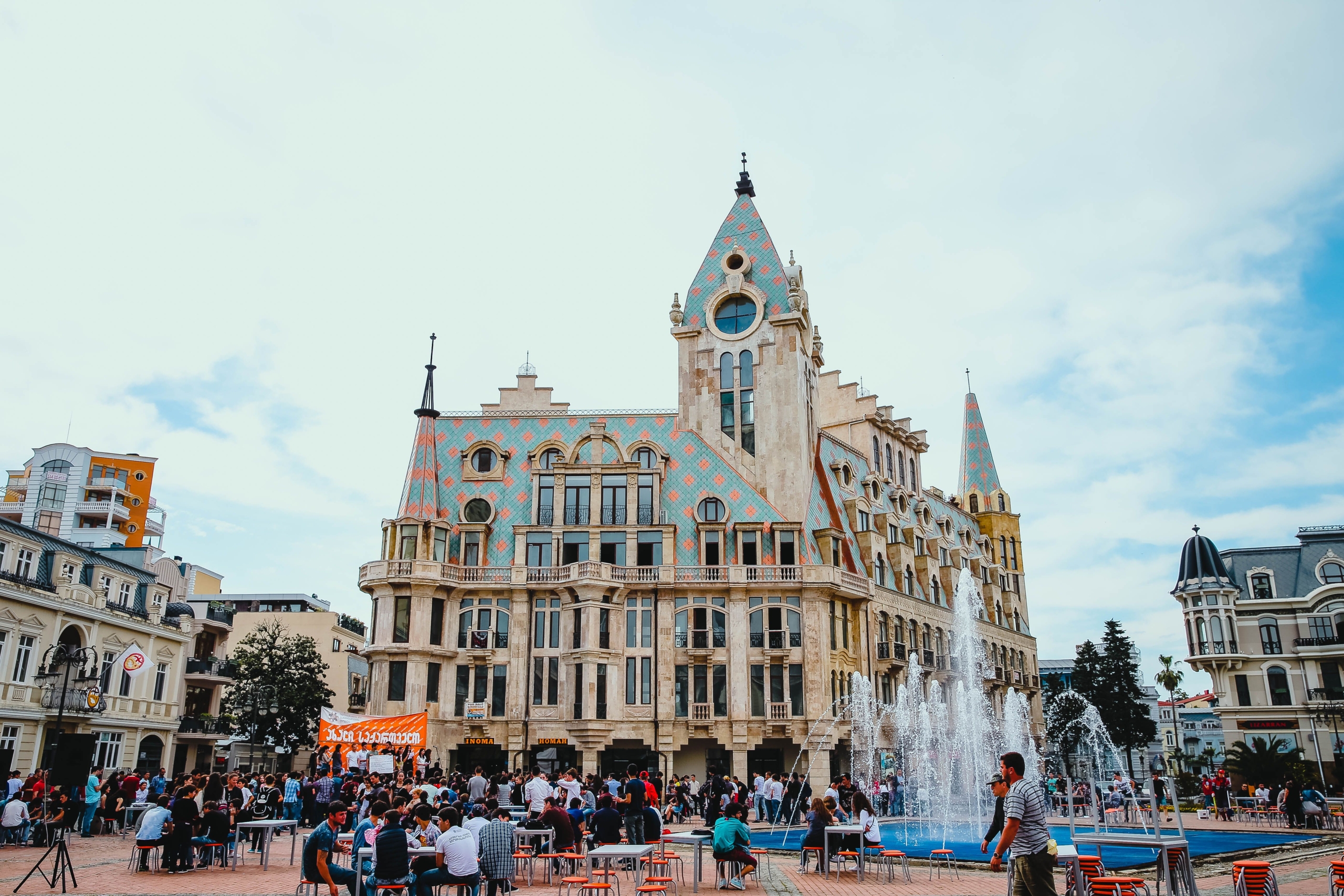
Old Batumi is the city’s historic and most established central district. It offers access to Europe Square, the Boulevard, restaurants, cultural attractions and the waterfront.
Primary-market prices were reported at approximately US$3,146 per square metre in the first quarter of 2026, making it Batumi’s most expensive major submarket.
The limited availability of well-positioned property may help support long-term values. Old Batumi can suit buyers seeking scarcity, character and centrality, but the higher entry price can reduce the percentage rental yield.
New Boulevard
New Boulevard recorded the city’s highest transaction volume in early 2026, with approximately 1,671 sales and an average primary-market price of around US$1,787 per square metre.
The district contains many modern towers, aparthotels and resort-style developments. It can appeal to holiday-rental investors seeking newer buildings, sea views and on-site facilities.
The main risk is competition. Numerous similar studios and one-bedroom apartments may be offered for rent in the same building or immediate area. Investors should examine net income after management charges, service fees, furnishing, maintenance, utilities, platform commission and vacant periods.
Heroes’ Alley
Heroes’ Alley has developed into a prominent modern urban corridor between central Batumi and the New Boulevard area. Reported primary-market prices reached approximately US$2,081 per square metre in the first quarter of 2026.
Its location may appeal to buyers who want a modern apartment with access to both the city centre and the seafront. Building quality, surrounding construction and the precise direction of the view can materially affect value.
Inner residential districts
Batumi’s inner districts may offer better value for investors targeting local residents, professionals and long-term tenants. Average primary-market prices were reported at approximately US$1,715 per square metre, with indicative monthly rents of around US$9.80 per square metre.
These districts may not attract the same holiday-rental premiums as seafront locations, but year-round demand can provide more stable occupancy and lower operating costs.
Gonio and Kvariati
South of Batumi, Gonio and Kvariati are quieter coastal locations known for their beaches and mountain backdrop. New resort and branded-residence projects are increasing the area’s international profile.
Average prices were reported at approximately US$2,075 per square metre in early 2026, although transaction volumes remained much lower than in central Batumi.
These locations may suit buyers with a longer investment horizon, but they currently offer less liquidity and more seasonal demand. Investors should pay close attention to transport links, project delivery schedules and the amount of future competing supply.
Makhinjauri and the northern coastline
Makhinjauri, north of central Batumi, offers a combination of coastline, greenery and access to attractions such as the Batumi Botanical Garden. Average primary-market prices were reported at approximately US$1,819 per square metre.
The area may benefit from continued tourism and infrastructure development, although the investment case depends heavily on the individual project and its connection to central Batumi.
The difference between advertised and achievable returns
Batumi developments are frequently promoted with attractive rental-return projections or income guarantees. International investors should distinguish carefully between:
- Projected gross yield and verified net yield
- A contractual guarantee and an illustrative forecast
- Income calculated from peak-season rates and a realistic twelve-month estimate
- A developer-managed rental pool and the owner’s ability to appoint another manager
- Guaranteed income paid in cash and returns incorporated into an inflated purchase price
An advertised yield of 10% does not mean the investor will receive 10% after expenses. Service charges, property management, repairs, insurance, taxes, furnishing replacement and periods without tenants can substantially reduce the final return.
Guaranteed returns should be assessed against the financial strength of the company providing the guarantee. A promise is only as reliable as the party responsible for paying it.
Due diligence before buying
International buyers should obtain independent legal advice and verify the property through Georgia’s National Agency of Public Registry.
Before paying a reservation fee or signing a purchase agreement, investors should check:
- Who legally owns the land and property.
- Whether any mortgage, lien, seizure or legal restriction is registered.
- Whether the developer holds the necessary construction permissions.
- The contractual completion date and penalties for delay.
- The specification and condition in which the apartment will be delivered.
- Service charges and building-management arrangements.
- Rules governing short-term rentals.
- Whether the quoted area includes balconies, walls or communal space.
- The developer’s record of delivering previous projects.
- How rental projections were calculated.
- The resale and assignment terms for an off-plan contract.
- The legal and tax position in both Georgia and the buyer’s home country.
Independent legal review is particularly important when buying off-plan. A sales representative, developer and lawyer perform different roles and should not be treated as interchangeable.
Working with ODA Property in Batumi
For international buyers, local knowledge can be as important as headline market data.
ODA Property works with local and international clients seeking residential and investment property in Batumi. Its services focus on helping buyers understand the market, compare opportunities and approach a purchase with a clear, long-term strategy.
The company’s principal areas of focus include:
- Investment property
- Residential real estate
- International buyers
- Developer partnerships
- Batumi market consulting
- Property negotiation and transaction support
With experience in finance and real estate sales, ODA Property combines market analysis, negotiation and client-focused service. This can be particularly useful in Batumi, where buyers may need to compare completed apartments with off-plan developments, understand different management arrangements and assess whether an advertised return is realistic.
Rather than beginning with the question, “Which project is offering the highest yield?”, buyers should first establish their objective, budget, acceptable level of risk and intended holding period. A suitable property for a holiday-home buyer may be very different from one selected for stable rental income or long-term capital growth.
Investors can learn more through the ODA Property website or connect with the company on LinkedIn.
What does the future hold for Batumi property?
Batumi has several credible long-term growth drivers:
- Continued expansion of Georgia’s international tourism market
- Further development of the Black Sea coastline
- International developer and hotel-brand participation
- Growing recognition among European, Middle Eastern and Asian buyers
- Comparatively accessible prices against many established European coastal markets
- Demand for modern, professionally managed accommodation
- Improvement of year-round leisure, business and residential infrastructure
There are also clear risks:
- A substantial pipeline of new apartments
- Heavy competition between similar studios
- Seasonal short-term rental demand
- Dependence on non-resident purchasers
- Inconsistent construction and management quality
- Currency and geopolitical exposure
- The possibility that projected rental returns are not achieved
The most likely future is therefore not uniform growth across every district and development. Strong projects in defensible locations may perform well, while poorly managed or undifferentiated schemes could struggle with occupancy and resale.
Is Batumi a good place to invest?
Batumi can offer attractive opportunities for international property investors, but it should not be approached as a purely speculative market.
The strongest investments are likely to be properties with a clear reason for tenants or future purchasers to choose them: a genuinely good location, reliable construction, sensible service charges, professional management and a purchase price supported by comparable evidence.
Investors who undertake proper due diligence and focus on sustainable demand may find Batumi an appealing entry point into the Black Sea property market. Those relying entirely on glossy marketing, guaranteed yields or uninterrupted price growth face considerably greater risk.
Batumi’s transition from historic port to international resort city is still unfolding. Its future remains promising—but in a rapidly developing market, careful selection will matter more than simply buying early.
Market figures were current at the time of writing in July 2026 and may subsequently change. This article is for general information and does not constitute legal, tax or financial advice. Buyers should obtain independent professional advice before entering into a transaction.