About
Fire Load Calculations for Generator Rooms
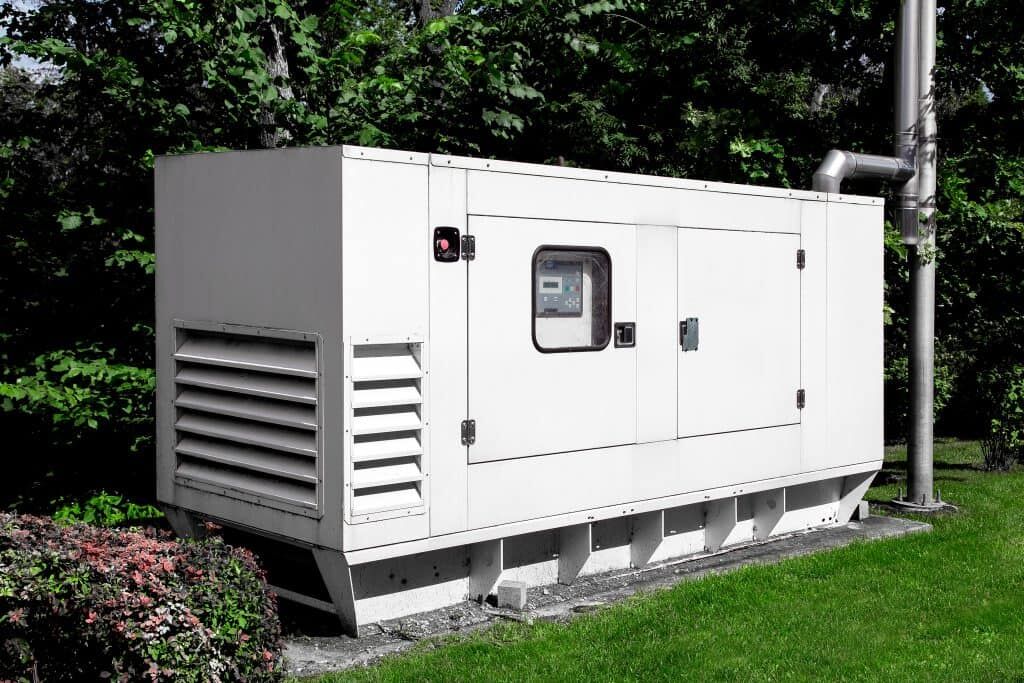
I’ve spent plenty of time in tight, oily generator rooms where the air is thick with the smell of diesel and the hum of high-voltage gear. It’s the kind of environment that makes any fire safety officer a little nervous, and for good reason. You have a massive internal combustion engine, thousands of litres of flammable fuel, and electrical components that can arc at temperatures hotter than the surface of the sun. In a space like that, fire safety isn’t just about sticking a red extinguisher on the wall; it’s about doing the ”dirty work” of math to figure out exactly how much heat energy you are sitting on. If you are designing a new facility or upgrading an old one and need to source equipment that meets these rigorous safety standards, you can find compliant sets at Able Power to ensure your project doesn’t fall foul of the auditors.
Calculating the ”fire load” of a generator room is the process of figuring out the total potential heat energy released if everything in that room—from the fuel in the tank to the insulation on the wires—were to go up in flames at once. Here is how you actually run those numbers without getting lost in a sea of engineering manuals.
Why ”The Math” Matters
Before we dive into the formulas, let’s be real: why do we do this? Building codes and insurance providers don’t just ask for fire load calculations to be difficult. They use these numbers to decide how thick your walls need to be and what kind of expensive suppression system you have to install. If your fire load is low, you might get away with standard fire-rated plasterboard. If it’s high, you’re looking at reinforced concrete and gas-flood systems. Getting the calculation wrong either means you’ve built a death trap or you’ve wasted tens of thousands of dollars on over-engineering.
1. The Core Formula: Energy vs. Area
At its heart, fire load (or fire load density) is measured in Megajoules per square metre. It tells you the ”intensity” of a hypothetical fire in that specific compartment.
The basic formula looks like this:
q_c = {sum (W_i \ H_i)A
In plain English, you are multiplying the weight of every flammable thing in the room by how ”energetic” that material is when it burns, then dividing it by the floor space.
2. Identifying Your ”Combustible Inventory”
In a generator room, your inventory usually falls into three big buckets: the fuel, the lubricants, and the ”fixed” items like cables and soundproofing.
The Fuel (The Elephant in the Room)
Diesel fuel is the primary concern. It has a high calorific value, meaning it release a massive amount of energy per kilogram. To get the weight, you have to remember that diesel is lighter than water. Most engineers use a standard density to convert those litres in your day tank into kilograms.
Lubricating Oil
Don’t forget the oil inside the engine. It burns almost as hot as the fuel. A large industrial generator might hold a significant volume of oil in the sump. Even though it’s tucked away inside the metal block of the engine, an auditor will count it as part of the ”moveable fire load.”
Cables and Plastics
Modern generator rooms are packed with control wiring and heavy power cables. The insulation on these cables (often PVC or XLPE) is essentially solidified petroleum. If you have massive bundles of cable in floor trenches, they can add a surprising amount of ”fuel” to the total fire load.
Soundproofing Foam
If your room is lined with acoustic foam to keep the neighbors happy, check the spec sheet. Unless it is mineral wool, it likely has a very high energy content. In a fire, this material doesn’t just add heat; it adds thick, toxic smoke that makes firefighting nearly impossible.
3. Passive Protection and the ”High Load” Threshold
Once you have your final figure, it dictates almost every other design choice in the room. In many jurisdictions, once you cross a certain threshold (often around a specific megajoule limit per square metre), the room is classified as a ”High Fire Hazard” area.
- Wall Ratings: High fire loads require 2-hour or even 4-hour fire-rated enclosures. This means the walls must be able to withstand the intense heat without collapsing or allowing the fire to spread to the rest of the building.
- Ventilation Interlocks: In a fire, you need to stop the ”breathing.” The fire load calculation helps engineers size the fire dampers. When the fire alarm hits, those dampers must slam shut to starve the fire of oxygen.
- Suppression Strategy: For high fire loads involving flowing fuel, a standard water sprinkler might actually make things worse by spreading the burning oil. You might need a ”water mist” system or a ”clean agent” gas system that can reach under the engine skid where a fuel leak might be pooling.
4. The ”Housekeeping” Factor
The math is only as good as the reality of the room. I’ve walked into ”low fire load” rooms only to find stacks of wooden pallets, oily rags in the corner, and spare plastic drums of coolant sitting next to the exhaust manifold. These ”unauthorized” additions can double your fire load in an afternoon.
A good fire load report should always include a ”Maximum Allowable Storage” limit. If the room was designed for a specific limit, bringing in extra fuel or junk puts the whole building at risk.
Summary of the Process
To get this right, follow these steps:
- Measure the Floor: Get the exact square meterage.
- Audit the Liquids: List the maximum capacity of all fuel tanks and oil sumps.
- Check the Specs: Find the calorific values for your specific cable types and acoustic linings.
- Run the Math: Use the formula to find your density.
- Compare: Check against your local building code to see your required fire-rating.
At the end of the day, fire load calculation isn’t just a bureaucratic hurdle; it’s a reality check. It forces you to look at your generator room not just as a ”power source,” but as a ”fuel storage area” that happens to have an engine in it. By doing the math early, you can design a space that protects your investment—and the people working around it.
Don’t guess when it comes to fire safety. Weigh the fuel, check the cable specs, and ensure your room’s ”bones” are strong enough to handle the heat.
No listing found.